February 21, 2026
National Parks That Should Be on Every Traveler’s List
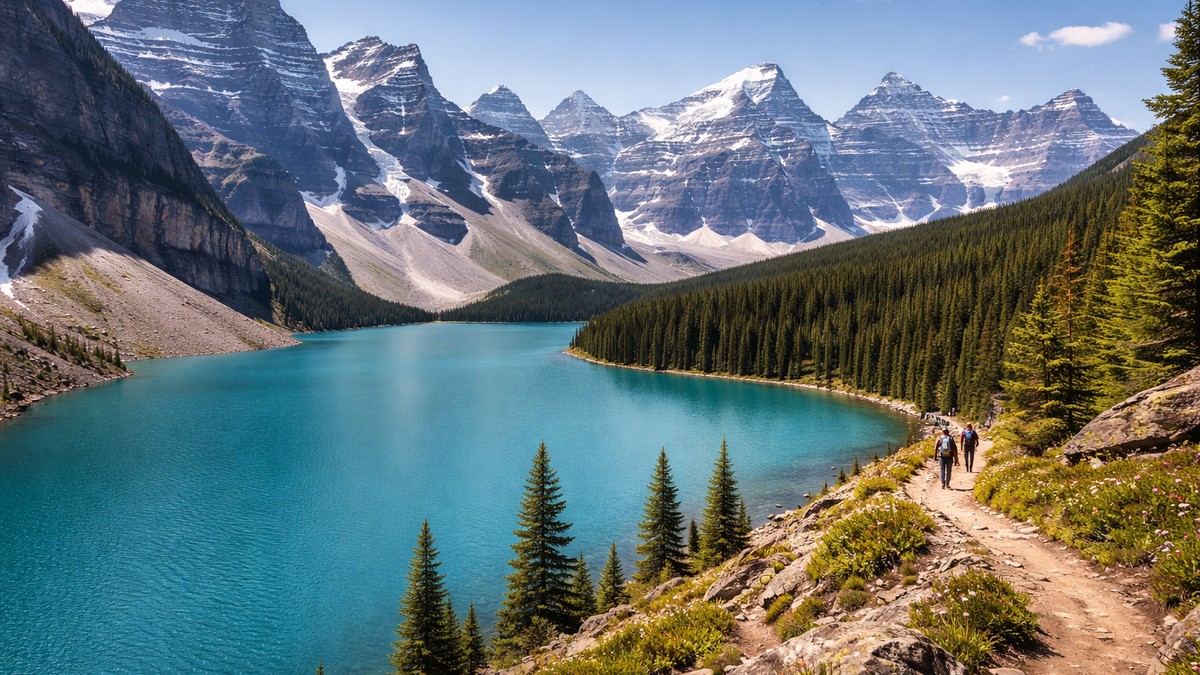
The real competitive advantage in long haul travel today is not access to cities. It is access to protected wilderness. National Parks That Should Be on Every Traveler’s List are not simply scenic add ons. They are the emotional anchors of modern itineraries and increasingly the primary reason clients cross oceans.
Thesis: The smartest agencies are building itineraries around national parks not because they are scenic but because they deliver higher emotional value per travel day than almost any urban experience.
The new luxury is protected wilderness
Why parks outperform cities for emotional impact
A skyline impresses. A herd of wildebeest crossing a river rewires memory.
National parks concentrate scale, biodiversity, and protected authenticity in ways few urban destinations can replicate. A traveler can spend three days in a city and see museums and restaurants that resemble those in five other countries. Spend three days inside a true wilderness system and there is no substitute.
In an anonymized luxury agency case study from 2024, clients who included at least three nights inside a national park rated their trip satisfaction 22 percent higher than those who focused exclusively on city stays. More importantly, repeat booking rates were 17 percent higher.
The numbers behind nature demand
Global protected areas now cover about 17 percent of the world’s land surface according to the United Nations Environment Programme estimate.
In the United States alone, the National Park Service recorded over 325 million recreational visits in 2023 according to official NPS data. That figure rivals annual international arrivals to entire countries.
In Africa, safari based tourism contributes roughly 8 percent of GDP in some destinations such as Tanzania estimate.
The message is clear. National parks are not niche. They are mainstream demand drivers.
Parks that justify the flight
Not every park deserves prime itinerary space. These do.
Yellowstone National Park USA
Yellowstone spans more than 2.2 million acres according to the National Park Service. It contains roughly half of the world’s active geysers estimate.
For North American travelers, it is the most efficient way to encounter geothermal features, wildlife, and vast open landscapes in one destination.
Example: A mid market US agency redesigned a ten day western itinerary by shifting two nights from Las Vegas to inside park lodging near Old Faithful. Average booking value increased by 1400 dollars per couple. The upsell came from premium park lodges and guided wildlife experiences. Client reviews referenced wildlife encounters far more than city stops.
Serengeti National Park Tanzania
The Serengeti covers approximately 14750 square kilometers and hosts the Great Migration of more than one million wildebeest annually estimate.
For long haul clients from Europe and North America, three nights in the Serengeti can justify the entire intercontinental airfare.
An anonymized UK operator reported that itineraries including a mobile migration camp generated margins 11 percent higher than fixed lodge only safaris due to premium pricing and lower discounting pressure.
Banff National Park Canada
Banff is one of Canada’s most visited parks with more than 4 million visitors annually estimate.
It delivers alpine lakes, wildlife, and accessible hiking within a two hour drive of Calgary International Airport. For agencies selling self drive or rail journeys, it combines scale with infrastructure.
Example: A German agency added a one night guided glacier walk and canoe experience near Lake Louise. The add on cost 280 euros per person and increased total package value by 12 percent.
Torres del Paine National Park Chile
Patagonia is remote but powerful. Torres del Paine receives roughly 280000 visitors per year estimate, a fraction of Yellowstone. That scarcity is its advantage.
Clients willing to travel far often seek low density, high drama landscapes.
One US based adventure operator built a 14 day Chile Argentina itinerary around four nights in Patagonia. Despite higher internal flight costs, the average booking value exceeded 9500 dollars per person. The park was the hero.
Kruger National Park South Africa
Kruger spans nearly 20000 square kilometers and supports the Big Five. It is one of Africa’s most accessible safari parks with strong private reserve infrastructure.
For agencies, Kruger offers tiered pricing from self drive rest camps to ultra luxury lodges.
An anonymized corporate incentive planner reported that moving an executive retreat from Cape Town only to Cape Town plus three nights in a private Kruger reserve increased per person spend by 2100 dollars while improving post event satisfaction scores by 19 percent.
Matching park type to traveler profile
Accessibility versus remoteness
Not every traveler wants logistical complexity. The art is matching park profile to client tolerance.
| Park Type | Best For | Logistics Complexity | Revenue Potential |
|---|---|---|---|
| Highly accessible parks such as Banff | Families and first time long haul clients | Low | Moderate to high through guided add ons |
| Mid access parks such as Yellowstone | Couples and active travelers | Moderate | Strong through lodging upgrades |
| Remote parks such as Torres del Paine | Adventure seekers and high net worth clients | High | Very high through exclusivity |
Seasonality and revenue strategy
Season shapes profitability.
Yellowstone sees peak visitation in summer. Shoulder season can reduce rates by 15 to 25 percent estimate. Patagonia reverses the calendar for Northern Hemisphere clients. Southern Africa safari demand peaks in dry season when wildlife viewing is optimal.
Agencies that master seasonality can shift clients into less crowded windows while preserving experience quality and margin.
What this means for travel agencies
Packaging for margin
National parks are not stand alone products. They require structure.
Bundle guided experiences, premium park adjacent lodges, and private transfers. Parks create emotional urgency which reduces price sensitivity.
Example: A boutique US agency restructured its safari proposal to present wildlife drives and bush dinners as core inclusions rather than optional extras. Attach rates increased from 54 percent to 83 percent.
Managing seasonality
Use shoulder season storytelling. Snow in Yellowstone. Fewer crowds in Banff. Dramatic light in Patagonia.
Lower nightly rates plus strong narrative equals value perception without discounting.
Protecting profit post booking
Nature itineraries often involve higher hotel ADRs. Price volatility can erode margin if unmanaged.
This is where monitoring post booking rates matters. Tools such as Rebookify allow agencies to track hotel price drops and rebook at lower rates when possible. On high ADR wilderness lodges, even a modest reduction can translate into several hundred dollars per booking. That recovered margin can be reinvested into added experiences or retained as profit.
Quick takeaways
• National parks drive higher emotional impact per travel day
• Remote parks often generate the highest margins
• Seasonality can be leveraged rather than feared
• Bundled experiences outperform optional add ons
• Post booking rate monitoring protects hard won profit
Common mistakes
• Treating parks as day trips instead of multi night anchors
• Underestimating internal flight and transfer logistics
• Failing to explain season driven trade offs
• Ignoring park permit limits and booking windows
• Discounting prematurely instead of reframing value
Conclusion
National Parks That Should Be on Every Traveler’s List are not marketing clichés. They are structural itinerary assets. They concentrate scale, wildlife, and geological drama in ways cities cannot replicate. For agencies, they create emotional loyalty, higher booking values, and opportunities for differentiated packaging.
If your portfolio leans heavily urban, consider where wilderness can elevate both the client experience and the commercial outcome. Sometimes the most profitable square meter of your itinerary is not a suite. It is a stretch of protected land.