January 10, 2026
Nature Escapes That Don’t Require Extreme Hiking
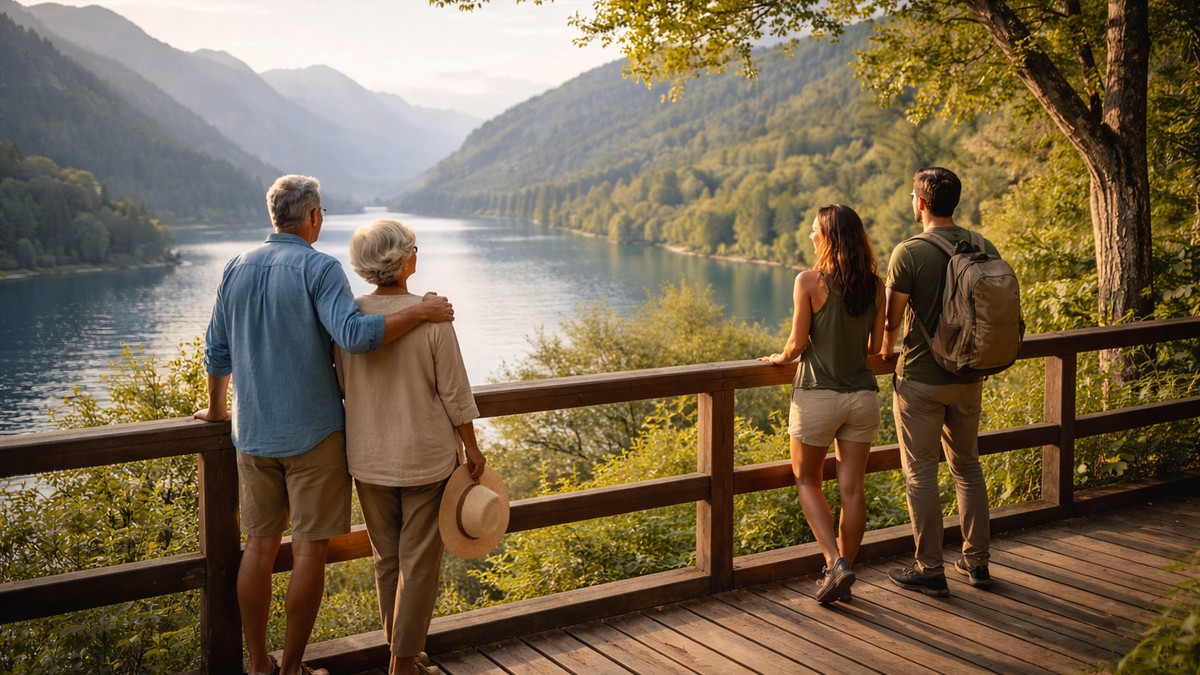
Thesis: The fastest growing nature travel segment is not chasing summits but seeking scenery without struggle.
There is a quiet shift happening in how travelers approach the outdoors. They still want fresh air open space and visual drama. What they no longer want is exhaustion injury risk or itineraries that feel like endurance tests.
Nature Escapes That Don’t Require Extreme Hiking are not a niche. They are becoming the mainstream.
This matters for agencies because it opens nature travel to broader demographics including older travelers busy professionals families and high value clients who simply prefer comfort over challenge.
Why the Market Is Shifting Toward Softer Nature Travel
Demographics are changing
The average leisure traveler is getting older and more time conscious. Many still want natural beauty but fewer want physically demanding itineraries.
Industry research shows wellness and relaxation are now among the top motivators for leisure travel estimate. That aligns directly with low effort high impact outdoor experiences.
Wellness is driving demand
Nature is now associated with stress reduction sleep improvement and mental reset.
Studies consistently show time in green environments lowers cortisol and improves mood estimate. Travelers are seeking calm more than conquest.
That changes what they consider a successful nature trip.
What Actually Counts as Accessible Nature
Boardwalks scenic drives and short trails
Accessible nature is not about removing authenticity. It is about reducing barriers.
Examples include forest paths with even footing coastal promenades canyon viewpoints reached by car lake loops under two kilometers and wildlife viewing hides near lodges.
These experiences still deliver beauty and emotion without demanding fitness.
Lodges and nature first accommodations
Accommodation plays a major role in perceived accessibility.
Properties built within nature with private viewpoints terraces large windows and easy access to surroundings allow travelers to experience place without constant movement.
This model supports longer stays higher satisfaction and stronger perceived value.
Destinations That Deliver Without Physical Strain
There are global examples that consistently perform well with this type of traveler.
Swiss lakeside towns where scenery surrounds guests without effort
Japanese countryside towns offering slow walks and scenic rail access
National parks with shuttle systems and accessible viewpoints
Coastal regions with cliffside paths rather than steep ascents
Nordic nature lodges offering immersion without physical demand
These destinations succeed not because they are easy but because they are thoughtfully designed.
Real World Booking Examples
Example one multi generational family
An agency replaced a hiking heavy itinerary in the Canadian Rockies with scenic gondolas lakeside lodges and short guided walks.
Trip length stayed the same. Satisfaction scores improved significantly. The family confirmed they would have declined the trip entirely if strenuous hiking was required.
Example two corporate burnout traveler
A finance executive booked a three night nature retreat featuring forest walks spa time and scenic dining.
No formal activities. No athletic requirement. The client described it as the most restorative trip they had taken in years.
Example three mature couple
A retired couple wanted nature but feared they were no longer fit enough.
The advisor designed a slow travel itinerary using rail scenic routes accessible viewpoints and boutique countryside hotels.
The result was a confident booking rather than a hesitant one.
What This Means for Travel Agencies
Product design
Agencies should intentionally build nature itineraries that prioritize comfort pacing and access.
This includes selecting accommodations with views choosing destinations with infrastructure and designing days with optional rather than mandatory activity.
Communication and positioning
Language matters.
Instead of selling adventure sell immersion.
Instead of effort sell atmosphere.
Instead of challenge sell restoration.
This approach broadens the addressable market significantly.
Tools like Rebookify support this strategy by helping agencies protect margin on longer slower itineraries. Monitoring hotel prices after booking and enabling rebooking when rates drop allows advisors to confidently design multi night stays without fearing pricing volatility.
Common mistakes
-
Assuming nature travel must involve physical challenge
-
Over designing itineraries when travelers want stillness
-
Ignoring accessibility concerns during consultation
-
Using adventure language that deters high value clients
-
Prioritizing activities over environment
-
Believing softer trips are less profitable
Quick takeaways
-
Accessible nature is now mainstream not niche
-
Travelers value calm more than conquest
-
Comfort increases booking confidence
-
Nature trips work best when pacing is slow
-
Agencies that adapt can reach wider markets
The bottom line
Nature Escapes That Don’t Require Extreme Hiking reflect a deeper truth about modern travel.
People are not trying to prove anything. They are trying to feel better.
Travelers still want beauty silence and perspective. They simply want it delivered in a way that respects their bodies schedules and energy.
Agencies that recognize this shift can design more inclusive more appealing and more profitable nature travel experiences. The opportunity is not to make trips easier. The opportunity is to make them more human.