March 23, 2026
Nepal’s Himalayan Gateway Beyond Trekking Value
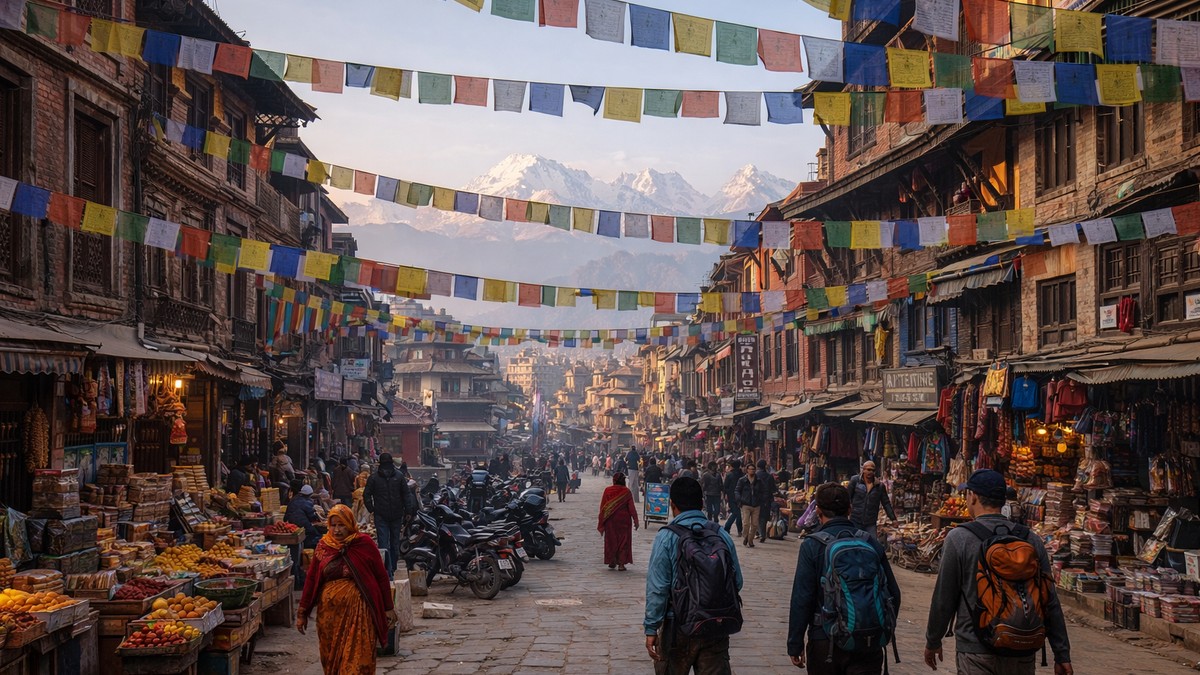
The real opportunity in Nepal is not the trek itself, it is everything built around it.
That is the overlooked truth behind Nepal’s Himalayan Gateway. Most travel products still treat Nepal as a single purpose destination defined by trekking. But the gateway experience, the combination of culture, short adventure, and layered itineraries, is where most travelers actually spend their time and where agencies generate the most value.
Nepal is not just a destination for climbers. It is a multi day experience engine.
The gateway is the product
The majority of travelers entering Nepal never attempt high altitude expeditions.
Estimate
- Less than 15 percent of visitors undertake long duration high altitude treks
- The majority stay within accessible regions and urban hubs
What they do instead
- Explore cultural sites
- Take short treks or scenic excursions
- Combine adventure with comfort
This shifts the focus from extreme travel to structured, high value itineraries.
Why Nepal works beyond trekking
Nepal’s strength lies in its ability to combine multiple travel experiences within a compact framework.
Cultural depth
Kathmandu Valley alone offers significant cultural density.
Highlights
- Historic temples and heritage sites
- Traditional markets
- Religious landmarks across different traditions
Fact
- The valley hosts several UNESCO listed heritage sites within a relatively small area
Travelers can experience centuries of history without extensive travel.
Accessible adventure
Nepal offers adventure without requiring extreme commitment.
Options include
- Short treks with moderate difficulty
- Scenic mountain viewpoints
- Guided nature experiences
Example
An agency offered a five day Nepal itinerary
- Two days in Kathmandu
- Three day short trek
Results
- 24 percent higher booking conversion compared to longer trekking packages
Shorter formats expand the market.
Cost advantage
Nepal remains competitively priced.
Estimate
- Daily travel costs are 30 to 50 percent lower than many comparable adventure destinations
- Accommodation options range from budget to premium at accessible rates
This allows travelers to upgrade experiences without increasing total spend.
Where travelers actually spend time
Understanding behavior is key to packaging Nepal effectively.
Kathmandu Valley
This is the primary entry point and core experience zone.
Activities include
- Cultural sightseeing
- Food experiences
- Local markets
Example
An agency tracked a four night stay in Kathmandu
- Clients visited 6 major sites
- Average travel time between locations under 30 minutes
The density supports efficient itineraries.
Short treks and viewpoints
Many travelers prefer shorter routes.
Advantages
- Lower physical demands
- Reduced time commitment
- High scenic payoff
Example
A three day trekking package
- Average price $280
- Satisfaction scores comparable to longer treks
This format is easier to sell.
Experience layering
Nepal allows multiple experiences in one trip.
Common combinations
- Culture plus light adventure
- Nature plus wellness
- Urban exploration plus rural escape
This layering increases perceived value.
The economics of Nepal travel
Nepal offers strong margins when structured correctly.
High value low cost ratio
Travelers perceive high value relative to spend.
Example
A six day Nepal itinerary
- Total cost $1,050
- Included accommodation, guides, and activities
Comparable adventure destinations often exceed $1,500.
Trip extension potential
Nepal works well as part of a larger itinerary.
Options
- Combine with India or Bhutan
- Add wellness retreats
- Extend stays with additional experiences
Example
An agency added a two day extension to an existing itinerary
- Increased booking value by $180
- Minimal increase in operational complexity
Seasonal pricing dynamics
Nepal has distinct peak seasons.
Implications
- Price fluctuations based on demand
- Opportunities for strategic booking
Estimate
- Price variations of 10 to 20 percent between seasons
Monitoring pricing allows agencies to optimize costs.
What this means for travel agencies
Understanding Nepal’s Himalayan Gateway requires shifting from a trekking first mindset.
Designing gateway itineraries
Focus on balanced experiences.
Action steps
- Combine cultural and adventure elements
- Limit physical intensity
- Optimize travel flow
Positioning tip
- Sell Nepal as a complete journey not just a trek
Pricing and packaging strategy
Bundle experiences for clarity.
Best practices
- Include guides and transfers
- Offer tiered packages
- Emphasize value per day
| Package type | Duration | Key feature | Ideal client | Margin potential |
|---|---|---|---|---|
| Cultural explorer | 4 to 5 nights | Heritage focus | First time visitors | Medium |
| Active gateway | 5 to 6 nights | Short trek plus culture | Couples and groups | High |
| Premium journey | 6 to 7 nights | Private experiences | High value clients | Very high |
Margin optimization
Operational efficiency drives profitability.
Approach
- Monitor hotel and service pricing
- Rebook when rates drop
- Use savings to enhance experience
Even small adjustments can significantly improve margins.
Quick takeaways
- Nepal is more than a trekking destination
- Gateway experiences drive most bookings
- Shorter itineraries increase conversion rates
- Strong cost advantage supports higher value perception
- Price optimization enhances profitability
Common mistakes
- Over focusing on long treks
- Ignoring cultural experiences
- Overcomplicating itineraries
- Underpricing high value packages
- Missing seasonal pricing opportunities
- Not aligning products with traveler capability
Conclusion
The strength of Nepal’s Himalayan Gateway lies in its flexibility.
It offers culture, adventure, and value within a single destination.
For travel agencies the strategy is clear
- Shift focus from extreme trekking to accessible experiences
- Design layered itineraries that appeal to broader audiences
- Optimize pricing continuously
Nepal is not just for a niche segment. It is a scalable product with strong demand potential.
Those who package it correctly will unlock both higher bookings and better margins.