March 15, 2026
New Zealand North vs South Island Travel Guide
When travelers ask New Zealand North vs South Island: Which Should You Choose? they are usually asking the wrong question.
The real question is which island delivers the most memorable experiences per travel day.
New Zealand packs enormous diversity into a relatively small country. Volcanoes, fjords, wine regions, Maori culture, beaches, and alpine landscapes all compete for attention. The catch is distance. Most visitors only have ten to fourteen days. Choosing the right island determines whether the trip feels effortless or rushed.
For travel agencies and experienced travelers alike, the smarter strategy is understanding how each island concentrates its best experiences. One focuses on culture, geothermal landscapes, and vibrant cities. The other delivers some of the most dramatic scenery on earth.
Understanding the difference is the key to designing a trip that feels seamless instead of overwhelming.
Understanding New Zealand North vs South Island Travel Experiences
Culture and Cities in the North Island
The North Island is where New Zealand feels most urban and culturally layered.
Auckland anchors the island as the country's largest city with roughly 1.7 million residents according to Statistics New Zealand. It is also the primary international gateway. Nearly 75 percent of international arrivals land in Auckland before traveling onward.
This island offers a mix of cultural depth and accessible landscapes.
Travel highlights often include
• Auckland harbor and Waiheke Island wineries
• Rotorua geothermal parks and Maori cultural performances
• Hobbiton film set tours near Matamata
• Surf beaches along the Coromandel Peninsula
• The capital city Wellington with its museum Te Papa
Rotorua alone attracts more than 3 million visitors annually according to Tourism New Zealand. That concentration of attractions makes the North Island efficient for travelers who prefer variety over extreme landscapes.
Dramatic Landscapes in the South Island
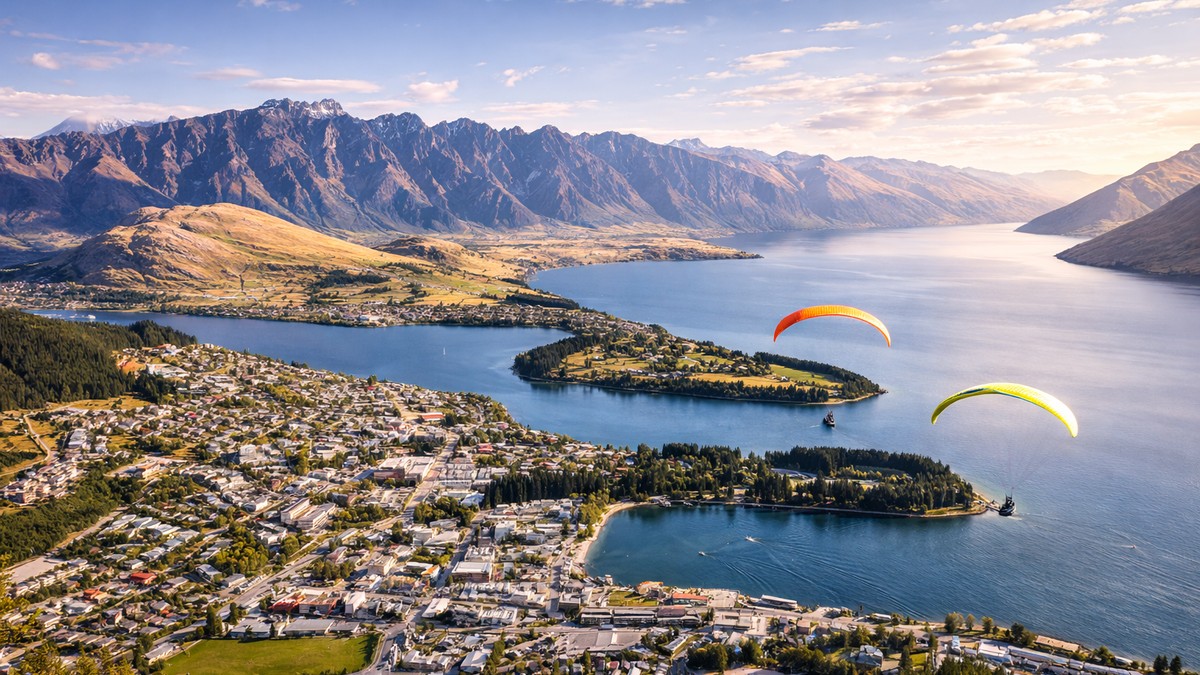
If the North Island is culturally diverse, the South Island is visually spectacular.
This island contains many of the country’s most iconic landscapes including
• Milford Sound fjords
• Southern Alps mountain ranges
• Queenstown adventure tourism hub
• Lake Tekapo night skies
• Franz Josef glacier region
The South Island is home to Aoraki Mount Cook, the tallest mountain in New Zealand at 3724 meters.
It also hosts Fiordland National Park, a UNESCO World Heritage area covering more than 1.2 million hectares.
The scenery density here is remarkable. Travelers can drive a few hours and pass alpine lakes, glacial valleys, vineyards, and coastal cliffs.
For photographers and nature focused travelers, the South Island often becomes the highlight of a New Zealand itinerary.
What Travelers Actually Do on Each Island
North Island Experiences That Stand Out
North Island itineraries tend to combine culture, food, and accessible nature.
A typical seven day route might include
Auckland
Rotorua
Taupo
Wellington
One mid sized European travel agency shared an interesting data point from their 2023 bookings.
• 62 percent of clients visiting the North Island added Hobbiton tours
• 48 percent included geothermal parks in Rotorua
• 40 percent booked wine tastings on Waiheke Island
The attraction mix is diverse but relatively compact. Many key stops are within three to four hours of driving from each other.
For business travelers extending a conference trip, this accessibility matters.
Rotorua, for example, sits roughly three hours from Auckland by car.
South Island Experiences That Define the Trip
South Island travel revolves around landscapes and outdoor experiences.
Popular stops often include
Queenstown
Wanaka
Milford Sound
Mount Cook
Christchurch
One adventure focused tour operator shared booking patterns from the last two years.
• 70 percent of clients visiting the South Island booked a Milford Sound cruise
• 55 percent added glacier or alpine hiking excursions
• 43 percent booked adventure activities in Queenstown
Queenstown alone attracts roughly 3 million visitors per year according to Destination Queenstown tourism data.
Unlike the North Island, experiences here feel more immersive and outdoors focused. Travelers spend less time in cities and more time on scenic drives, trails, and lakes.
Travel Logistics That Change the Decision
Many travelers underestimate how much logistics shape the experience.
Driving Distances and Itinerary Flow
Driving is the most common way to explore New Zealand.
Here is a simplified comparison.
| Factor | North Island | South Island |
|---|---|---|
| Typical road trip loop | Auckland Rotorua Wellington | Christchurch Queenstown Milford |
| Average driving days | 3 to 5 | 5 to 7 |
| Landscape intensity | Moderate | Very high |
| City experiences | Strong | Limited |
South Island distances can surprise travelers. The drive from Queenstown to Milford Sound takes roughly four hours each way.
That journey is breathtaking but time intensive.
North Island routes generally require less driving between attractions.
Cost Differences Between Islands
Costs vary depending on the season and region.
Some general patterns from agency booking data estimates
• Accommodation in Queenstown is typically 20 to 35 percent higher than comparable North Island hotels during peak season estimate
• Rental car demand is higher in the South Island due to road trip itineraries estimate
• Guided adventure activities can increase daily travel budgets significantly
One travel management company analyzed 120 itineraries from 2024 bookings.
Average per traveler spending
• North Island focused trip: 4200 USD estimate
• South Island focused trip: 5200 USD estimate
The difference mostly came from excursions and longer driving routes.
Decision Guide for Different Traveler Types
Not every traveler wants the same version of New Zealand.
Here is a quick decision framework.
| Traveler Type | Best Island |
|---|---|
| Culture and city lovers | North Island |
| First time visitors with limited time | North Island |
| Adventure travelers | South Island |
| Landscape photographers | South Island |
| Wine and food travelers | Both but North Island easier |
| Luxury honeymoon trips | South Island |
The ideal itinerary often includes both islands. But when time is limited, the choice becomes strategic.
Quick takeaways
• The best island depends on experience density rather than overall attractions
• North Island offers culture, cities, geothermal landscapes, and shorter driving routes
• South Island delivers New Zealand’s most dramatic scenery
• Most travelers underestimate driving times in the South Island
• Travel agencies should match the island to traveler personality rather than popularity
What This Means for Travel Agencies
Travel agencies can significantly improve client satisfaction by guiding the island decision early.
Practical strategies include
Profile travelers first
Identify whether the traveler prioritizes culture, scenery, or adventure.
Design shorter but richer itineraries
Trips with fewer locations often produce higher satisfaction scores.
Avoid rushed two island trips
Many agencies report lower client satisfaction when travelers try to see both islands in under ten days.
Monitor accommodation price fluctuations
Hotel rates in cities like Queenstown or Auckland change frequently. Tools that monitor price drops can recover meaningful margins after booking.
One agency using automated hotel price tracking reported average savings of 8 to 12 percent per itinerary estimate through rebooking opportunities.
Build themed itineraries
Examples include
• North Island culture and wine itinerary
• South Island scenic photography route
• Adventure focused Queenstown loop
These themed trips convert better than generic country tours.
Common mistakes
• Trying to visit both islands in less than ten days
• Underestimating driving times on mountain roads
• Booking Milford Sound day trips without checking weather flexibility
• Treating Auckland only as an arrival airport rather than a destination
• Ignoring seasonal differences between islands
• Planning too many hotel changes in short trips
Conclusion
Choosing between the North and South Island is not about which one is better.
It is about which one fits the traveler’s priorities and schedule.
The New Zealand North vs South Island debate ultimately comes down to experience density. Culture, cities, and geothermal landscapes dominate the North Island. Jaw dropping alpine scenery defines the South Island.
For travel professionals and experienced travelers, the winning strategy is simple. Match the island to the traveler’s personality, travel pace, and available days.
And once the right itinerary is set, tools that track hotel price drops can quietly improve margins along the way.