January 23, 2026
Oaxaca State: Mexico’s Best Region for Food + Culture
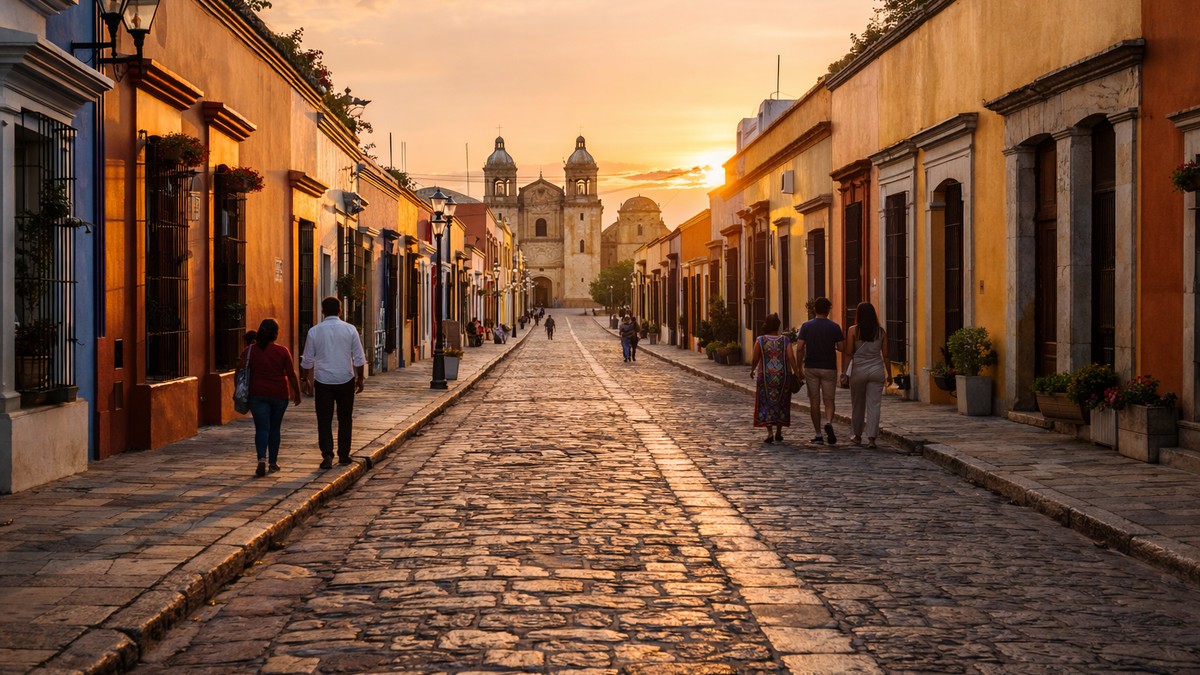
Thesis: Oaxaca delivers something most destinations promise but few achieve, an experience that feels genuinely lived rather than designed for visitors.
Many travelers think they know Mexico. They have visited beach resorts. They have explored major cities. They have eaten tacos that claim authenticity. Then they arrive in Oaxaca State and realize something important.
This is different.
Oaxaca does not perform culture. It lives it. Food traditions remain tied to community. Craftsmanship still holds economic meaning. Rituals are practiced for locals first, visitors second. For travelers seeking depth rather than highlights, Oaxaca State: Mexico’s Best Region for Food + Culture is not a slogan. It is an observable reality.
Why Oaxaca State feels different from the rest of Mexico
Depth of living culture
Oaxaca is home to multiple indigenous communities whose languages, cuisine, clothing, and rituals remain active parts of everyday life.
Estimate: Over sixteen indigenous groups are officially recognized within Oaxaca State.
Estimate: More than thirty percent of residents speak an indigenous language at home.
Travelers notice this immediately. Markets feel functional rather than performative. Ceremonies feel intimate rather than staged. Artisans speak about lineage rather than branding.
A destination that rewards slower travel
Oaxaca does not suit rushed itineraries. It rewards curiosity.
• Wandering neighborhood bakeries at dawn
• Sitting through long market lunches
• Talking with mezcal producers in small villages
• Spending hours inside textile cooperatives
• Watching families prepare festival altars
This kind of travel creates stronger emotional memory than a checklist of attractions.
Oaxaca State: Mexico’s Best Region for Food + Culture
Culinary heritage that is not curated for tourists
Oaxaca cuisine is not designed for international adaptation. It remains rooted in regional ingredients and long techniques.
Estimate: Oaxaca is considered the birthplace of at least seven distinct varieties of mole.
Estimate: Traditional mole recipes often involve more than twenty ingredients and several hours of preparation.
Estimate: Corn diversity in Oaxaca includes dozens of native varieties still cultivated locally.
This matters because travelers can taste the difference. Food feels personal. Meals feel connected to place.
Markets, street food, and local ritual
Markets in Oaxaca are not attractions. They are infrastructure.
• Local families shopping for daily cooking
• Vendors preparing tlayudas fresh on charcoal grills
• Healers selling herbs used for generations
• Cheese makers offering fresh quesillo pulled that morning
• Bakers bringing trays of pan de yema before sunrise
Visitors are welcomed because they are entering real life, not a staged experience.
Cultural experiences travelers actually remember
Festivals, crafts, and indigenous traditions
Oaxaca is one of the most festival rich regions in Mexico.
Estimate: Guelaguetza festival draws hundreds of thousands of visitors annually.
Estimate: Día de los Muertos celebrations in Oaxaca are among the most visited cultural events in the country.
But what makes these events meaningful is not the spectacle. It is participation.
Travelers can
• Join families decorating altars
• Walk candlelit processions through neighborhoods
• Learn traditional weaving from master artisans
• Visit workshops where black pottery techniques remain unchanged for generations
These are experiences that stay vivid long after the trip ends.
Three real world traveler examples
Example one culinary focused couple
A European couple spent five nights in Oaxaca City.
• Cooking class with a local family cost approximately seventy euros per person
• Market tour and ingredient sourcing added another twenty euros
• Meals at top rated local restaurants averaged fifteen euros per person
• Total culinary experiences remained under two hundred euros
They reported the trip felt more immersive than two weeks spent in mainstream resort destinations.
Example two solo cultural traveler
A remote worker stayed in Oaxaca for three weeks.
• Private Spanish lessons cost roughly ten euros per hour
• Artisan textile workshop cost forty euros for a half day
• Weekly accommodation averaged under forty euros per night
The traveler extended their stay twice due to depth of experience and affordability.
Example three multi generational family
A family group of six booked a cultural itinerary.
• Guided village visits cost approximately thirty euros per person
• Mezcal tasting at a family palenque cost fifteen euros
• Transport between towns averaged under one hundred euros per day for the group
They described Oaxaca as one of the few destinations where every generation found meaning.
Decision table for trip planning
| Traveler type | Why Oaxaca fits well | Typical experience | Value perception |
|---|---|---|---|
| Food focused travelers | Deep culinary heritage | Cooking classes, market tours, mezcal tastings | Very high |
| Culture seekers | Living traditions | Festivals, crafts, local rituals | Very high |
| Slow travelers | Walkable, immersive | Extended stays, neighborhood exploration | Excellent |
| Budget conscious travelers | Strong value on experiences | Affordable food, lodging, activities | Strong |
| Luxury travelers seeking authenticity | Boutique stays, private guides | Curated cultural access | High |
Quick takeaways
• Oaxaca offers lived culture rather than packaged tourism
• Food experiences are deeply rooted and highly memorable
• Indigenous traditions remain visible and respected
• Travelers experience strong value across budgets
• Longer stays deliver the greatest emotional return
What this means for travel agencies
Oaxaca represents an opportunity for agencies looking to sell depth instead of discounts.
Agencies can position Oaxaca as
• A premium cultural alternative to mainstream beach destinations
• A strong option for culinary travel itineraries
• A high satisfaction destination for repeat clients
• A meaningful destination for slow travel programs
• A differentiator in competitive Latin America portfolios
Product design opportunities include
• Market and cooking itineraries
• Festival focused departures
• Artisan focused cultural routes
• Mezcal trail experiences
• Extended stay cultural immersion packages
This is not mass market volume. It is high perceived value.
Common mistakes
• Treating Oaxaca like a checklist destination rather than experiential
• Overpacking itineraries instead of allowing exploration time
• Ignoring smaller surrounding villages that hold deeper culture
• Focusing only on restaurants instead of markets and homes
• Positioning Oaxaca as budget rather than value driven
Conclusion
Oaxaca State: Mexico’s Best Region for Food + Culture is not a trend headline. It reflects a shift in how travelers evaluate destinations.
People are no longer seeking only attractions. They are seeking connection. Memory. Meaning.
Oaxaca delivers this quietly and consistently.
Through food that tells history.
Through rituals that still serve communities.
Through craftsmanship that remains economically relevant.
For travelers who want to feel something real and for agencies who want to offer something differentiated, Oaxaca is no longer emerging. It has arrived.