December 30, 2025
One Country, Three Budgets: How Your Experience Changes
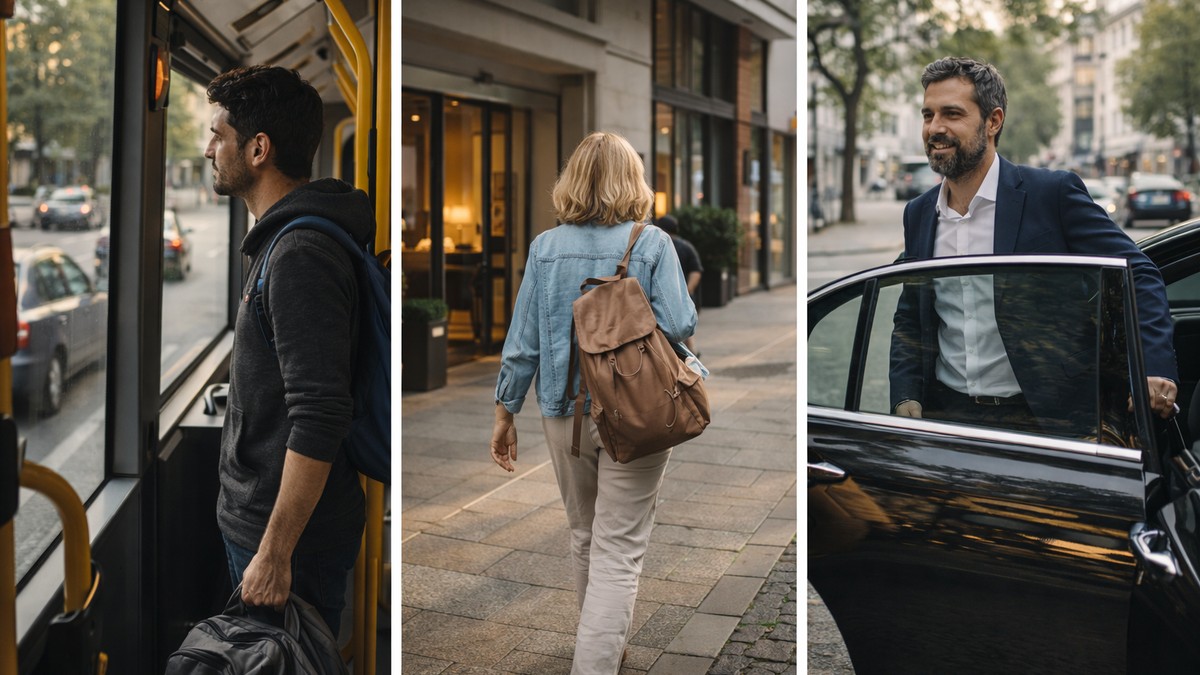
Thesis: The biggest difference between low-, mid-, and high-budget travel isn’t comfort—it’s how much effort the traveler must supply to make the trip work.
Travelers often talk about destinations as if they’re fixed experiences. They’re not. The same country delivers wildly different trips depending on budget—not because luxury is better, but because money quietly replaces friction.
Understanding one country, three budgets: how your experience changes is essential for agencies trying to match travelers with the right version of a place, not just the cheapest or most impressive one.
The uncomfortable truth about travel budgets
Budget doesn’t change what you can see. It changes how hard it is to see it.
At lower budgets, travelers pay with time, planning, patience, and compromise. At higher budgets, they pay with money and get those things back.
Estimate: Travelers on lower budgets spend 30–40% more time planning, navigating, and troubleshooting during trips than mid-range travelers.
That effort isn’t bad. But it’s rarely acknowledged upfront—and that’s where dissatisfaction creeps in.
Let’s look at the same country through three lenses. Not specific places—because this pattern repeats everywhere.
Budget travel: effort replaces money
Budget travelers don’t get less travel. They get more logistics.
What changes:
-
Transport requires planning and flexibility
-
Accommodation trades space for location or price
-
Dining choices skew toward convenience and timing
-
Activities are often self-guided
Estimate: Budget travelers save 25–40% on daily costs—but spend more mental energy managing trade-offs.
The reward is immersion. The cost is fatigue.
Budget travel works best for travelers who enjoy solving problems as part of the experience.
Mid-range travel: comfort becomes the default
This is where most travelers actually want to be—even if they don’t say it.
Mid-range budgets buy:
-
Predictable accommodation quality
-
Central locations
-
Paid shortcuts (taxis, tours, tickets)
-
Flexibility when plans change
Estimate: Mid-range travelers report the highest satisfaction-to-spend ratio across most destinations.
Why? Because friction drops sharply without luxury premiums.
Mid-range travel doesn’t feel indulgent. It feels easy.
High-end travel: time is the real luxury
Luxury isn’t about thread count. It’s about control.
High-end budgets eliminate:
-
Waiting
-
Guesswork
-
Trade-offs
-
Decision fatigue
What replaces them:
-
Access
-
Personalization
-
Margin for error
Estimate: High-budget travelers spend up to 50% less time on daily logistics than budget travelers in the same destination.
The country doesn’t change. The experience does.
What actually changes—and what doesn’t
Access, friction, and decision load
Here’s the surprise: the best sights, food, and culture are available at all budgets.
What changes is:
-
How much effort it takes to reach them
-
How forgiving the trip is when something goes wrong
-
How many decisions the traveler must make per day
Money doesn’t buy authenticity. It buys margin.
And margin is what turns stress into enjoyment.
Real-world examples with real numbers
Example 1: Same city, three hotel categories
Three travelers stay in the same city for four nights.
-
Budget hotel: $65/night, 25 minutes from center
-
Mid-range hotel: $135/night, walkable location
-
High-end hotel: $320/night, concierge-managed
Outcome:
All see the same attractions. Only one never worries about timing, transport, or reservations.
Example 2: Dining experiences
Three travelers eat equally well.
-
Budget: $12 street meals, timing-dependent
-
Mid-range: $30–40 sit-down meals, flexible
-
High-end: $90 tasting menu, reserved
Difference: Not quality—control.
Example 3: Transportation choices
A weeklong trip includes multiple intercity moves.
-
Budget: public transport, fixed schedules
-
Mid-range: trains + occasional taxis
-
High-end: private transfers
Time saved at high end: ~6–8 hours across the trip.
What this means for travel agencies
Budget conversations shouldn’t start with price. They should start with tolerance for friction.
Budget is a design input, not a constraint
The mistake agencies make is treating budget as a limit instead of a lever.
Actionable steps for agencies:
-
Ask how much effort clients want to expend
-
Explain what money replaces at each tier
-
Design trips around comfort thresholds, not star ratings
-
Normalize mid-range as the “default sweet spot”
-
Monitor hotel prices after booking—upgrades often appear at the same budget
This is where tools like Rebookify quietly matter: post-booking repricing can shift a trip up a comfort tier without increasing spend.
Decision table: low vs mid vs high budget
| Factor | Budget | Mid-Range | High-End |
|---|---|---|---|
| Daily effort | High | Moderate | Low |
| Flexibility | Limited | Strong | Maximum |
| Planning load | Heavy | Light | Minimal |
| Error tolerance | Low | Medium | High |
| Experience control | Reactive | Balanced | Proactive |
Common mistakes
Agencies and travelers alike fall into these traps:
-
Assuming budget travel is always more “authentic”
-
Overselling luxury instead of explaining its value
-
Treating mid-range as boring
-
Ignoring energy and decision fatigue
-
Designing trips around cost, not comfort
-
Forgetting that prices change after booking
Budget isn’t about money. It’s about trade-offs.
Quick takeaways
-
The same country delivers different trips at different budgets
-
Money replaces friction, not experience
-
Mid-range offers the best balance for most travelers
-
High-end travel buys time and forgiveness
-
Budget clarity prevents disappointment
Conclusion
One country, three budgets: how your experience changes isn’t a theory—it’s the core truth of modern travel planning.
When agencies help travelers understand what their money does, not just what it buys, trips improve instantly. Expectations align. Complaints drop. Satisfaction rises.
The destination stays the same. The experience doesn’t—and that’s the point.