March 27, 2026
How Travel Brands Are Adapting to Smarter Price Aware Travelers
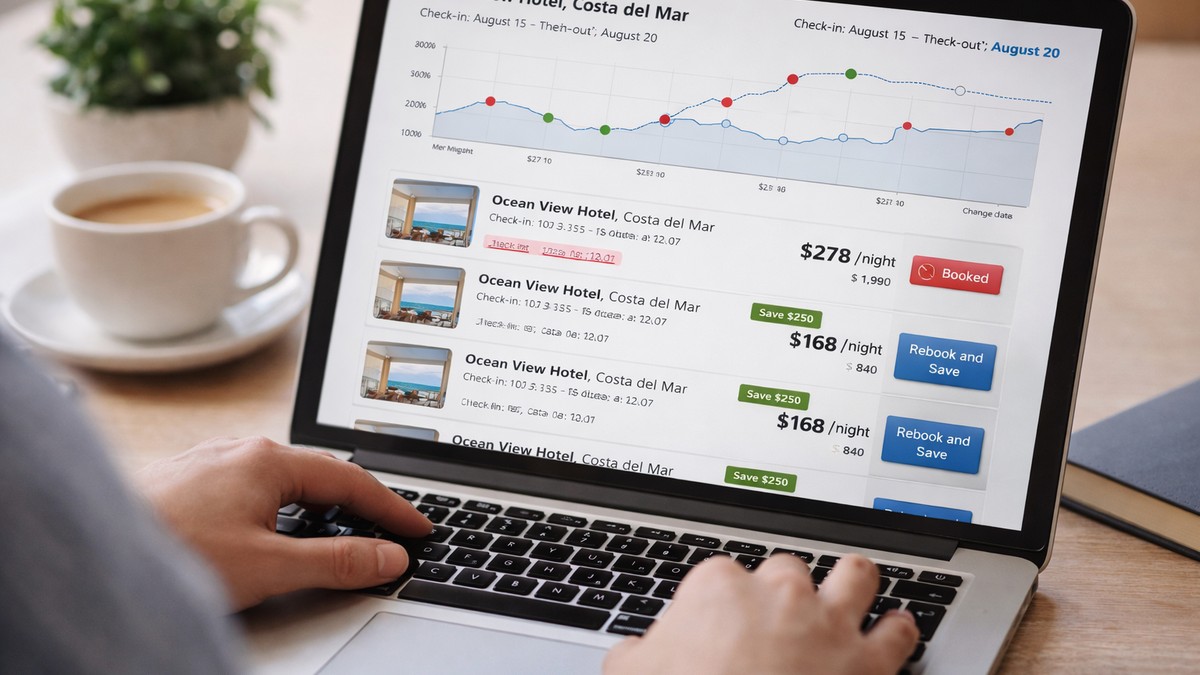
The modern traveler is not cheaper. They are sharper.
That is the core shift behind How Travel Brands Are Adapting to Smarter Price Aware Travelers. Today’s traveler is willing to spend. But only when the value is clear, the timing is right, and the price feels justified.
This is not a race to the bottom.
It is a shift toward informed decision making.
For travel agencies and suppliers, the implication is direct. Pricing alone is no longer the lever. Strategy is.
The shift is not toward cheaper travel but smarter spending
Travel demand has not weakened.
It has matured.
Estimate
- Over 70 percent of travelers now compare prices across multiple platforms before booking
- Nearly half delay booking to monitor price changes
Travelers are not avoiding spending.
They are optimizing it.
That changes everything.
How traveler behavior has fundamentally changed
The shift shows up in three consistent behaviors.
Price tracking and comparison habits
Travelers now track prices actively.
Behaviors include
- Monitoring hotel and flight prices over time
- Using multiple booking platforms
- Waiting for price drops
Example
An agency tracked booking behavior
- 38 percent of clients revisited the same booking multiple times before confirming
- Average booking window extended by 3 to 5 days
Price awareness has become a habit.
Flexibility as a default expectation
Flexibility is no longer optional.
It is expected.
Estimate
- Flexible booking options increase conversion rates by up to 20 percent
Travelers want the ability to adjust.
Not having it is a deal breaker.
Experience versus cost trade offs
Travelers still spend on experiences.
But selectively.
Patterns include
- Saving on accommodation to spend on activities
- Choosing fewer but higher quality experiences
- Avoiding unnecessary extras
Example
Clients reduced hotel spend by 15 percent
- Increased spending on experiences by 25 percent
The budget is shifting, not shrinking.
How travel brands are adapting in real time
Brands are responding quickly.
Dynamic pricing and re pricing strategies
Pricing is no longer static.
Approaches include
- Frequent price adjustments
- Real time demand tracking
- Competitive benchmarking
Estimate
- Dynamic pricing models improve revenue efficiency by up to 10 percent
Pricing has become fluid.
Flexible booking policies
Flexibility is now a competitive advantage.
Common features
- Free cancellation
- Date changes
- Refundable options
Example
A supplier introduced flexible rates
- Increased booking conversion by 18 percent
- Reduced cancellations long term
Flexibility builds trust.
Bundling and value framing
Brands are reframing value.
Instead of lowering prices
They bundle.
Examples
- Including breakfast or transfers
- Offering experience packages
- Adding perks instead of discounts
This protects margins while improving perception.
Technology as the enabler of smarter travel
Technology is driving the shift.
Price monitoring tools
Travelers and agencies now use tools to track prices.
Capabilities include
- Monitoring hotel rate changes
- Identifying rebooking opportunities
- Automating alerts
This is where platforms that track post booking price drops can create tangible savings without additional effort.
Data driven personalization
Personalization is evolving.
Brands now
- Analyze traveler preferences
- Tailor offers dynamically
- Optimize recommendations
Estimate
- Personalized offers increase engagement rates significantly
Relevance matters more than volume.
Automation in booking optimization
Automation reduces friction.
Examples
- Automated pricing updates
- Smart recommendations
- Booking optimization systems
Efficiency improves both experience and margin.
The impact on revenue and margins
Smarter travelers create both challenges and opportunities.
Short term pressure long term gain
Price awareness can compress margins.
But it also
- Increases trust
- Improves satisfaction
- Drives repeat bookings
Example
Transparent pricing strategies
- Reduced short term margin slightly
- Increased repeat bookings by 22 percent
Long term value wins.
Loyalty through transparency
Transparency is becoming a differentiator.
Travelers reward
- Honest pricing
- Clear value
- Flexible options
Trust converts into loyalty.
Ancillary revenue strategies
Brands are shifting revenue sources.
Approach
- Focus on add ons
- Sell experiences
- Increase ancillary services
This offsets pricing pressure.
What this means for travel agencies
Understanding How Travel Brands Are Adapting to Smarter Price Aware Travelers is essential for staying competitive.
Rethinking pricing strategy
Agencies must move beyond static pricing.
Action steps
- Offer flexible booking options
- Monitor pricing post booking
- Adjust recommendations dynamically
Communicating value not just cost
Clients need clarity.
Best practices
- Highlight what is included
- Explain trade offs
- Frame value clearly
Price alone is not persuasive.
Leveraging tools for post booking optimization
This is where agencies can stand out.
Approach
- Track hotel price changes after booking
- Rebook when rates drop
- Pass savings to clients or reinvest
Example
An agency implemented price monitoring
- Saved clients an average of $120 per booking
- Increased retention rates
This creates a competitive edge.
| Strategy | Impact on traveler | Impact on agency | Complexity |
|---|---|---|---|
| Flexible pricing | High trust | Higher conversion | Medium |
| Dynamic pricing | Better deals | Improved margins | High |
| Price monitoring | Cost savings | Strong loyalty | Medium |
| Bundled value | Better perception | Stable margins | Low |
Quick takeaways
- Travelers are optimizing not minimizing spending
- Flexibility has become essential
- Pricing is now dynamic and continuous
- Technology enables smarter decisions
- Agencies can win through post booking optimization
Common mistakes
- Competing only on price
- Ignoring flexibility expectations
- Failing to communicate value clearly
- Not leveraging pricing technology
- Overlooking post booking opportunities
- Treating all travelers the same
Conclusion
The shift explained in How Travel Brands Are Adapting to Smarter Price Aware Travelers is not temporary.
It is structural.
Travelers are informed, patient, and selective.
For travel agencies the opportunity is clear
- Embrace flexibility
- Use technology intelligently
- Focus on value rather than price
Those who adapt will not just survive this shift.
They will lead it.