March 7, 2026
Sydney’s Harbor and Iconic Landmarks
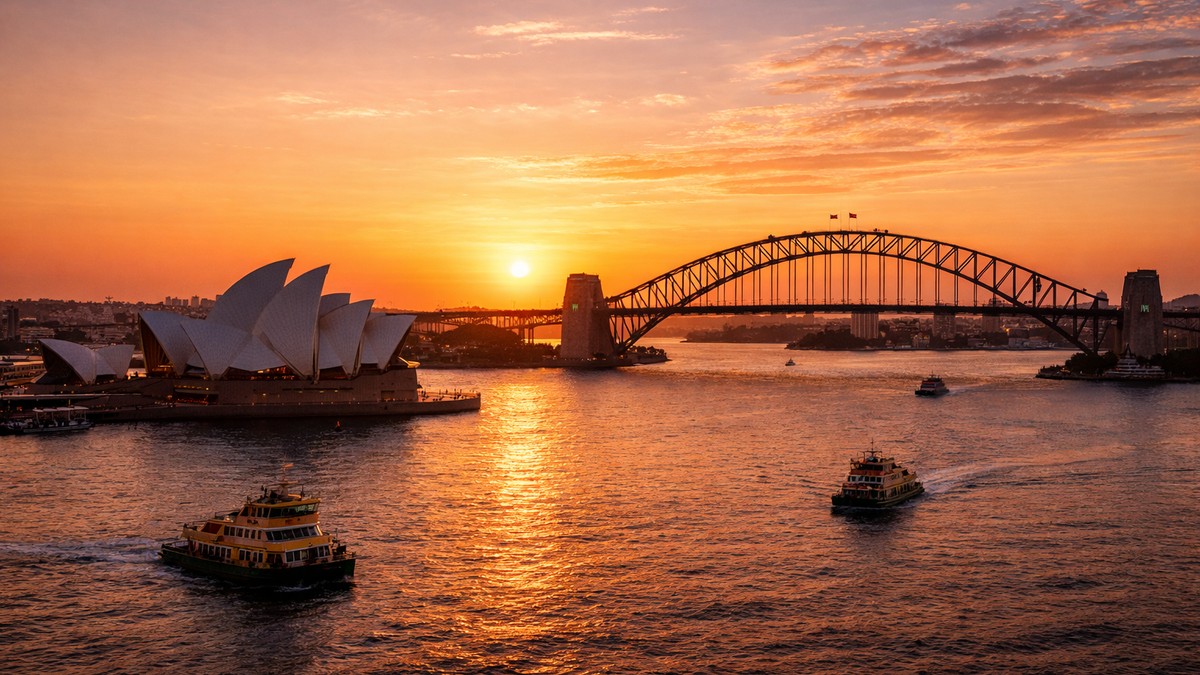
Sydney rarely hides its best features.
The harbor sits at the center of everything.
Here is the thesis: Sydney’s Harbor and Iconic Landmarks work best when travelers experience them from multiple perspectives on water, from bridges, and from surrounding neighborhoods rather than simply visiting the famous sites themselves.
The harbor is not just scenery. It is the framework that shapes the entire city.
Why Sydney Harbor defines the entire city experience
Geography that shapes tourism
Sydney Harbor stretches across a vast natural inlet with dozens of coves and waterfront districts.
It remains one of the largest natural harbors in the world estimate.
This geography shapes how travelers move through the city. Ferries function almost like scenic transport routes rather than basic public transit.
Why the harbor creates natural itineraries
Many of Sydney’s most famous attractions sit within walking distance of each other along the harbor edge.
Circular Quay connects the Opera House, the Harbour Bridge, and historic districts.
Travelers naturally move between viewpoints, waterfront promenades, and ferry terminals.
Sydney’s Harbor and Iconic Landmarks
Sydney Opera House
The Sydney Opera House remains the most recognizable landmark in Australia.
Completed in 1973 and designed by Danish architect Jørn Utzon, the building attracts millions of visitors each year estimate.
Its sail like structure sits directly on the harbor edge, making it visible from ferries, bridges, and surrounding parks.
Example one. A European travel advisor booked a behind the scenes Opera House tour for a group of twelve travelers. The experience cost about 45 Australian dollars per person estimate and allowed guests to explore rehearsal spaces and performance halls normally closed to the public.
The architectural icon becomes far more interesting when visitors step inside.
Sydney Harbour Bridge
The Harbour Bridge links the central business district with Sydney’s North Shore.
Completed in 1932, the steel arch spans more than five hundred meters across the harbor estimate.
Many visitors simply photograph the bridge from afar.
Others climb it.
Example two. A small incentive group of eight travelers booked the BridgeClimb experience at sunset. Tickets averaged around 330 Australian dollars per person estimate. The climb took about three hours and delivered panoramic views across the harbor as the city lights appeared.
Few urban experiences combine engineering history with scenery so effectively.
Circular Quay and The Rocks
Circular Quay functions as Sydney’s transportation hub and harbor gateway.
Ferries depart toward multiple destinations while restaurants and public plazas create constant activity.
Just steps away sits The Rocks district, one of the oldest parts of the city.
Historic sandstone buildings, markets, and small museums tell the story of Sydney’s early colonial period.
Example three. A North American agency scheduled a morning walking tour through The Rocks followed by lunch overlooking the harbor. The experience cost about 70 Australian dollars per traveler and helped visitors understand the city beyond its famous skyline.
Taronga Zoo and harbor viewpoints
Taronga Zoo sits on the northern side of the harbor and offers one of the most scenic zoo locations in the world.
Visitors reach it by ferry, which turns the trip into a harbor cruise.
From the zoo’s hilltop terraces travelers see sweeping views of Sydney’s skyline, the Opera House, and surrounding waters.
Manly ferry and coastal perspective
The ferry ride between Circular Quay and Manly ranks among Sydney’s most memorable experiences.
The journey takes about thirty minutes and crosses open harbor waters before reaching the Pacific Ocean side of the city.
Manly itself offers beaches, coastal walks, and relaxed cafes.
For many travelers the ferry ride becomes the highlight rather than simply transportation.
The numbers behind Sydney tourism
Snapshot of typical costs
| Category | Typical cost estimate |
|---|---|
| Four star hotel central Sydney | 300 to 420 AUD per night |
| Opera House guided tour | 40 to 50 AUD |
| Harbour Bridge climb | 300 to 350 AUD |
| Harbor ferry ride | 8 to 15 AUD |
Costs fluctuate depending on season and demand.
Visitor demand patterns
Sydney receives millions of international visitors annually estimate.
Peak travel months typically align with Australia’s summer from December through February.
Spring and autumn often offer more comfortable weather and slightly lighter crowds estimate.
What this means for travel agencies
First, design itineraries that move along the harbor rather than jumping across the city. The natural geography makes waterfront routes intuitive.
Second, incorporate at least one harbor experience on water such as ferries or private cruises. Viewing the skyline from the harbor changes the entire perspective.
Third, combine iconic landmarks with nearby neighborhoods. The Rocks pairs naturally with Circular Quay while Manly pairs with ferry travel.
Fourth, encourage travelers to experience the harbor at different times of day. Sunrise, afternoon light, and evening skyline views all create different moods.
Fifth, monitor hotel prices after booking. Sydney hotel rates fluctuate significantly with events, holidays, and seasonal demand. Platforms such as Rebookify allow agencies to track price changes and automatically rebook lower rates when available, protecting margins or improving client value.
Quick takeaways
• Sydney Harbor shapes nearly every major attraction in the city
• Ferry rides double as scenic tours across the harbor
• The Opera House becomes more meaningful through guided tours
• The Harbour Bridge offers one of the city’s most dramatic viewpoints
• Monitoring hotel prices can improve margins during peak seasons
Common mistakes
• Treating the harbor only as a photo location rather than an experience
• Skipping ferry rides that provide the best skyline views
• Visiting major landmarks without exploring nearby neighborhoods
• Underestimating travel times across the harbor
• Booking hotels early without monitoring price changes
Conclusion
Sydney’s Harbor and Iconic Landmarks are not isolated attractions.
They form a connected waterfront landscape where ferries, viewpoints, and historic districts reveal the city from constantly changing angles.
For travel agencies designing thoughtful itineraries, Sydney becomes far more than a skyline photo. The harbor itself becomes the experience.