April 3, 2026
The 10 Best Temples To Visit In India
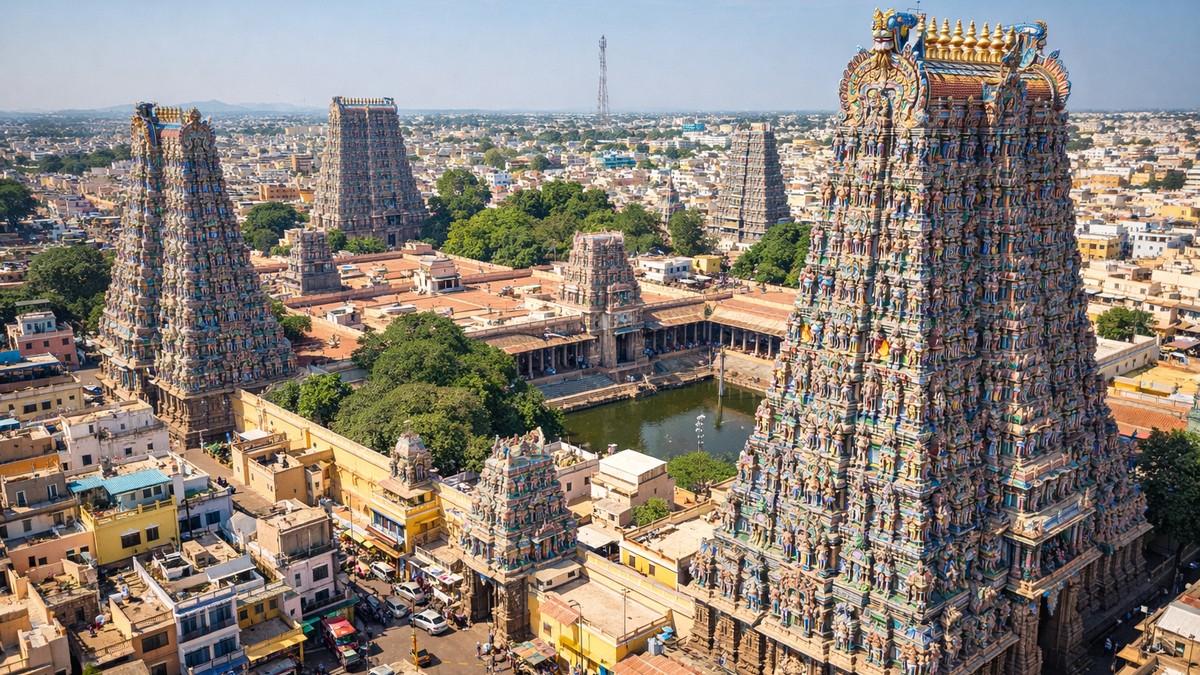
The 10 best temples to visit in India are not just spiritual landmarks but high demand, high frequency travel anchors that enable agencies to build repeatable, margin rich itineraries across seasons.
Why temple tourism in India is a commercial engine
Scale of domestic demand
Temple tourism in India operates at a scale most international markets underestimate.
Fact
India records over 1.8 billion domestic tourist visits annually, estimate. A significant portion is driven by religious travel.
This creates a rare advantage. Demand is not seasonal in the traditional sense. It is event driven, calendar driven, and culturally embedded. That means agencies can sell temple routes year round with predictable volume.
International appeal and repeat travel
For international travelers, temple circuits offer both spirituality and cultural immersion. Unlike one time destinations, these routes encourage repeat visits.
Example
A UK based operator reported that 37 percent of its India clients booked a second trip within two years, often choosing a different temple circuit. First trip covered Varanasi, second trip focused on South India temples.
This repeat behavior is commercially powerful. It lowers acquisition cost over time.
North India temple anchors
Varanasi and Kashi Vishwanath
Kashi Vishwanath Temple in Varanasi is arguably the most iconic spiritual destination in India.
Fact
Varanasi is considered one of the oldest living cities in the world, with continuous habitation for over 3000 years, estimate.
The experience is layered. Ganga aarti ceremonies, narrow lanes, riverfront rituals. It sells itself.
Example
An online agency increased its Varanasi package price by 18 percent after adding guided evening aarti experiences and private boat rides. Conversion remained stable, but profit per booking rose significantly.
Vaishno Devi and pilgrimage logistics
Vaishno Devi Temple is a volume driven destination.
Fact
The shrine attracts over 8 million pilgrims annually, estimate.
The operational challenge is logistics. Helicopter bookings, trekking routes, accommodation near Katra.
For agencies, this is where service differentiation matters. Clients are willing to pay for convenience.
South India temple circuits
Tirupati and volume driven demand
Tirumala Venkateswara Temple is one of the richest and most visited temples globally.
Fact
The temple receives between 50 thousand to 100 thousand visitors daily, estimate.
This is not a niche product. It is mass demand with structured systems.
Example
A Chennai based travel company created a premium Tirupati fast track darshan package priced 40 percent higher than standard tours. Despite the price, it sold out during peak months due to time savings and comfort.
Madurai and heritage depth
Meenakshi Amman Temple offers architectural drama and cultural storytelling.
Fact
The temple complex covers about 14 acres and features over 30 thousand sculptures, estimate.
Madurai works well in longer itineraries that combine temples with heritage hotels and culinary experiences. This is where agencies can shift from volume to value.
East and West India highlights
Puri Jagannath and Rath Yatra pull
Jagannath Temple is best known for the Rath Yatra festival.
Fact
The festival attracts millions of visitors annually, making it one of the largest religious gatherings in the world, estimate.
Event based travel allows dynamic pricing. During Rath Yatra, rates surge but so does willingness to pay.
Somnath and Dwarka coastal circuit
Somnath Temple and Dwarkadhish Temple form a natural circuit along the Gujarat coast.
These temples appeal strongly to domestic travelers and diaspora communities.
Example
A US based Indian diaspora agency reported that Gujarat temple circuits accounted for 28 percent of its India bookings in 2025, driven by family travel and heritage connections.
Niche high value temples
Kedarnath and seasonal scarcity
Kedarnath Temple operates only part of the year due to weather conditions.
Fact
The temple sits at an altitude of about 3580 meters in the Himalayas.
Scarcity drives demand. Limited access windows create urgency.
For agencies, this means higher margins but also higher operational complexity.
Golden Temple and spiritual tourism crossover
Golden Temple attracts both religious pilgrims and general tourists.
Fact
The temple serves free meals to over 50 thousand visitors daily through its langar system, estimate.
This is a rare crossover destination. It fits into spiritual, cultural, and even culinary travel themes.
What this means for travel agencies
Actionable steps
- Build modular temple circuits
Design itineraries that can expand or contract based on client budget and time. Start with core temples and add extensions. - Price for convenience, not just access
Fast track entries, guided rituals, and better located hotels justify higher pricing. - Use event calendars strategically
Festivals like Rath Yatra or peak pilgrimage seasons allow dynamic pricing and premium positioning. - Segment your audience
Domestic pilgrims, diaspora travelers, and international cultural tourists have different expectations. Package accordingly. - Optimize post booking margins
Hotel rates in cities like Varanasi and Tirupati fluctuate. Platforms like Rebookify help agencies capture price drops after booking and improve profitability without changing retail pricing.
Quick takeaways
• Temple tourism in India delivers year round demand
• Short circuits convert better than long complex itineraries
• Convenience services drive higher margins
• Festivals create premium pricing windows
• Repeat travel is a major revenue driver
Common mistakes
• Treating temple travel as low margin mass tourism
• Ignoring logistics complexity in places like Vaishno Devi
• Underpricing guided experiences and add ons
• Not leveraging festival driven demand spikes
• Selling identical packages to different customer segments
Decision table
| Traveler type | Ideal temples | Duration | Margin potential | Notes |
|---|---|---|---|---|
| First time visitor | Varanasi plus Golden Temple | 5 days | Medium | Strong cultural appeal |
| Domestic pilgrim | Tirupati plus Madurai | 4 days | Medium high | High volume |
| Premium traveler | Kedarnath plus Varanasi | 6 days | High | Seasonal demand |
| Diaspora traveler | Somnath plus Dwarka | 5 days | High | Family oriented |
Conclusion
The 10 best temples to visit in India are not just destinations. They are a structured network of demand drivers that reward smart packaging and pricing. Agencies that understand how to combine accessibility, storytelling, and timing will consistently outperform competitors.
If you are already selling India, refine your temple circuits. If you are not, this is one of the most resilient and scalable entry points into the market.