December 13, 2025
The Difference Between a Tourist and a Traveler
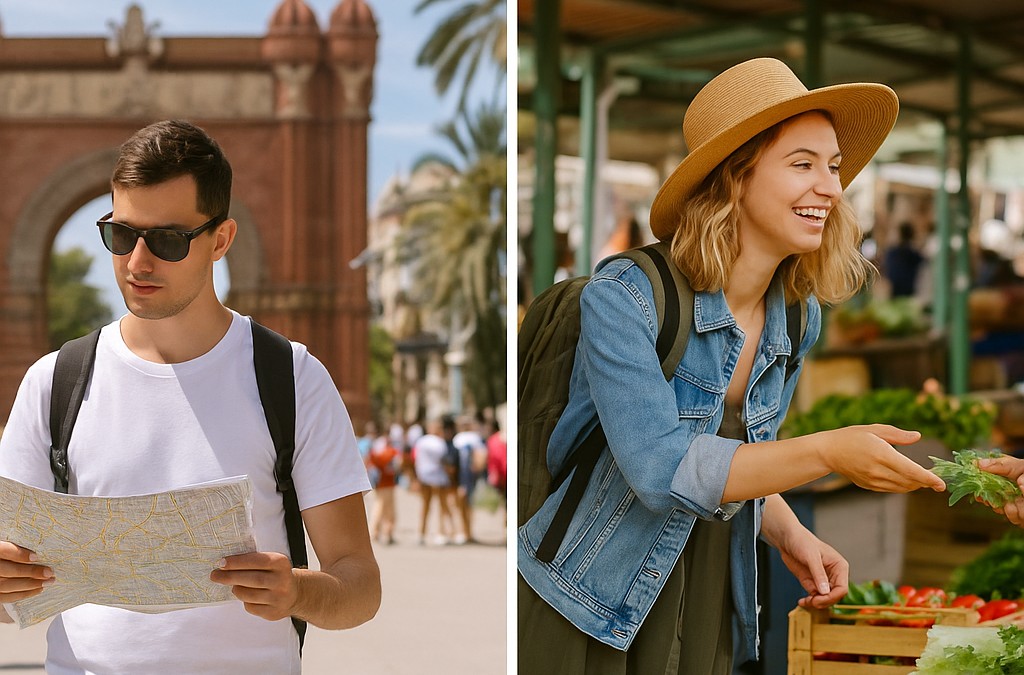
The words tourist and traveler are often used interchangeably, but they represent two very different approaches to seeing the world. Neither is inherently right or wrong—but understanding the difference can completely change how you experience a destination.
Here’s a clear breakdown of what separates a tourist from a traveler, and why the distinction matters.
Mindset: Checklist vs Curiosity
A tourist often approaches travel with a checklist—iconic landmarks, famous attractions, and must-see spots. The goal is to see a place. A traveler approaches with curiosity, asking questions and seeking context. The goal is to understand a place.
Pace: Fast Highlights vs Slow Immersion
Tourists usually move quickly, covering as much ground as possible in a short time. Travelers slow down. They spend more time in fewer places, allowing space for spontaneous experiences, conversations, and deeper connections.
Interaction: Observation vs Participation
Tourists tend to observe from the outside—taking photos, following guided routes, and staying within familiar environments. Travelers engage. They try local food, learn basic phrases, use public transport, and interact with residents beyond transactional exchanges.
Comfort Zone: Familiar vs Unfamiliar
Tourists often seek comfort and predictability, choosing hotels, restaurants, and experiences that feel safe and recognizable. Travelers are more willing to step into the unfamiliar, accepting small discomforts as part of the journey.
Planning Style: Structured vs Flexible
Tourists typically rely on tight itineraries and pre-booked schedules. Travelers leave room for change. They allow recommendations from locals, weather, or curiosity to shape their plans.
Cultural Awareness: Surface vs Context
Tourists may learn what they’re seeing. Travelers seek to understand why things are the way they are—history, customs, social norms, and daily life. This context transforms sights into stories.
Photography: Proof vs Memory
Tourists often take photos to document that they were there. Travelers take photos to remember how it felt to be there. The difference is subtle—but powerful.
Is One Better Than the Other?
Not necessarily. Tourism supports local economies and makes travel accessible. Traveling deeply requires time, flexibility, and often privilege. Many people move between both styles depending on life stage, budget, or destination.
What This Means for How You Travel
The real distinction isn’t about labels—it’s about intention. You don’t need to abandon sightseeing to become a traveler. Even small shifts—like slowing down, asking questions, or choosing local experiences—can turn a tourist trip into a more meaningful journey.
Travel becomes richer when the goal isn’t just to see the world, but to connect with it.