January 9, 2026
The Growing Demand for Flexible Travel Bookings
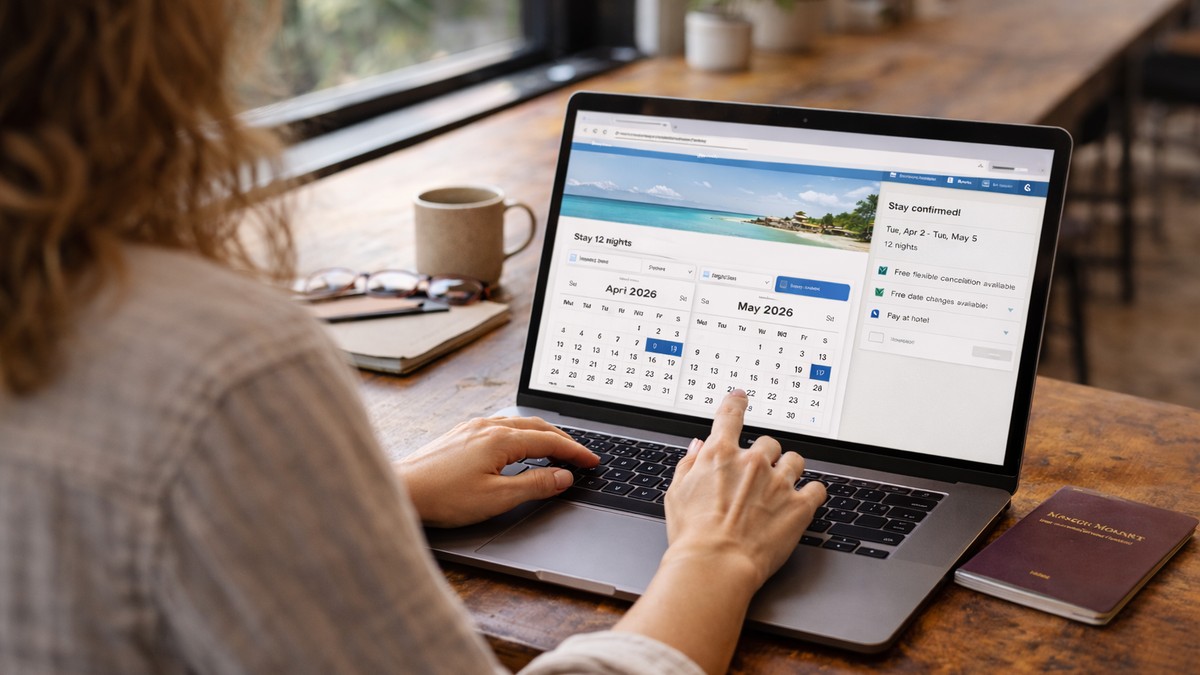
Thesis: Travelers are not demanding flexibility because they plan poorly but because they finally understand risk.
For years flexible travel bookings were positioned as insurance. Nice to have. Often ignored. Sometimes upsold.
That framing no longer works.
Today flexibility is the product. It is what allows travelers to commit in an uncertain world. And it is reshaping how trips are sold priced and trusted.
This is not about pandemics anymore. It is about behavior that changed and did not revert.
Why Flexibility Became Non Negotiable
Risk awareness changed permanently
Travelers used to treat disruption as rare. Now they treat it as normal.
Weather airline staffing geopolitical tension and personal schedule volatility all feel closer to home. According to consumer surveys more than 60 percent of travelers say flexibility is a top three booking priority estimate.
Once risk awareness increases it does not disappear. Travelers simply adapt their buying behavior.
Control matters more than savings
Flexibility offers something price does not. Control.
Travelers are willing to pay slightly more for the ability to change their mind without penalty. That willingness has grown across leisure business and premium segments.
Research indicates flexible options increase booking confidence even when rarely used estimate. The value is psychological as much as practical.
What Flexible Booking Actually Means Today
Cancellation change and repricing
Flexibility now covers three things not one.
The ability to cancel
The ability to change dates
The ability to benefit if prices drop
Hotels airlines and suppliers treat these differently. Travelers expect them to be bundled intuitively.
This expectation gap is where confusion and mistrust often begin.
Psychological safety as value
A flexible booking feels safer. That feeling shortens decision cycles.
Travelers no longer delay because they can commit now and adjust later. Flexibility removes hesitation rather than reacting to it.
How This Shows Up in Real Bookings
Example one family leisure travel
A family booking a two week Europe trip chose a hotel package that cost 6 percent more than a prepaid option.
They never changed plans.
But they booked immediately instead of delaying three weeks. The agency closed the sale faster and reduced follow up workload.
Example two business traveler behavior
A mid size corporate client moved all hotel bookings to flexible rates after multiple last minute changes in one quarter.
Total hotel spend increased slightly. Rebooking fees dropped to near zero. Internal satisfaction scores improved.
Example three agency margin protection
An agency booking flexible hotel rates across 120 stays monitored prices post booking.
Price drops occurred on 38 percent of bookings estimate. Rebooking those lower rates protected margin without renegotiation or client involvement.
Why Flexible Travel Converts Better
Decision psychology and trust
Flexible bookings remove fear of regret.
When travelers feel trapped they hesitate. When they feel supported they act.
Studies show decision making accelerates when perceived downside risk is reduced estimate. Flexibility reduces downside risk without promising perfection.
Flexibility signals alignment
When an agency recommends flexible options it signals shared risk.
Clients interpret that as advocacy not upselling.
What This Means for Travel Agencies
One flexibility should be framed not buried
Do not hide flexible terms in footnotes.
Explain them clearly and early. Flexibility is part of the value story not an add on.
Two flexible rates create operational opportunity
Flexible bookings allow agencies to optimize after confirmation.
This is where tools like Rebookify matter. By monitoring hotel prices after booking agencies can rebook lower rates when available turning flexibility into margin protection not margin erosion.
Clients rarely notice the mechanism. They notice the outcome.
Three flexibility supports long term trust
Clients remember how agencies behave when plans change.
Flexibility handled well leads to repeat business more reliably than discounts.
Common mistakes
-
Treating flexibility as optional rather than strategic
-
Defaulting to prepaid rates to appear cheaper
-
Failing to explain what flexible actually includes
-
Assuming flexibility always costs more overall
-
Ignoring post booking optimization opportunities
-
Communicating flexibility only when problems arise
Quick takeaways
-
Flexibility is now a core buying requirement
-
Travelers value control over savings
-
Flexible bookings shorten decision cycles
-
Agencies can protect margin using flexibility
-
Trust grows when risk is shared
The bottom line
The Growing Demand for Flexible Travel Bookings reflects a deeper truth.
Travelers are not indecisive. They are realistic.
They want the freedom to commit without fear and the confidence that someone is watching their back after the booking is made.
For agencies flexibility is not a threat to revenue. It is a framework for trust margin protection and faster conversion.
Sell flexibility clearly manage it intelligently and support it operationally.
That is how modern travel gets booked.