February 25, 2026
The Most Surprising Cultural Experiences Around the World
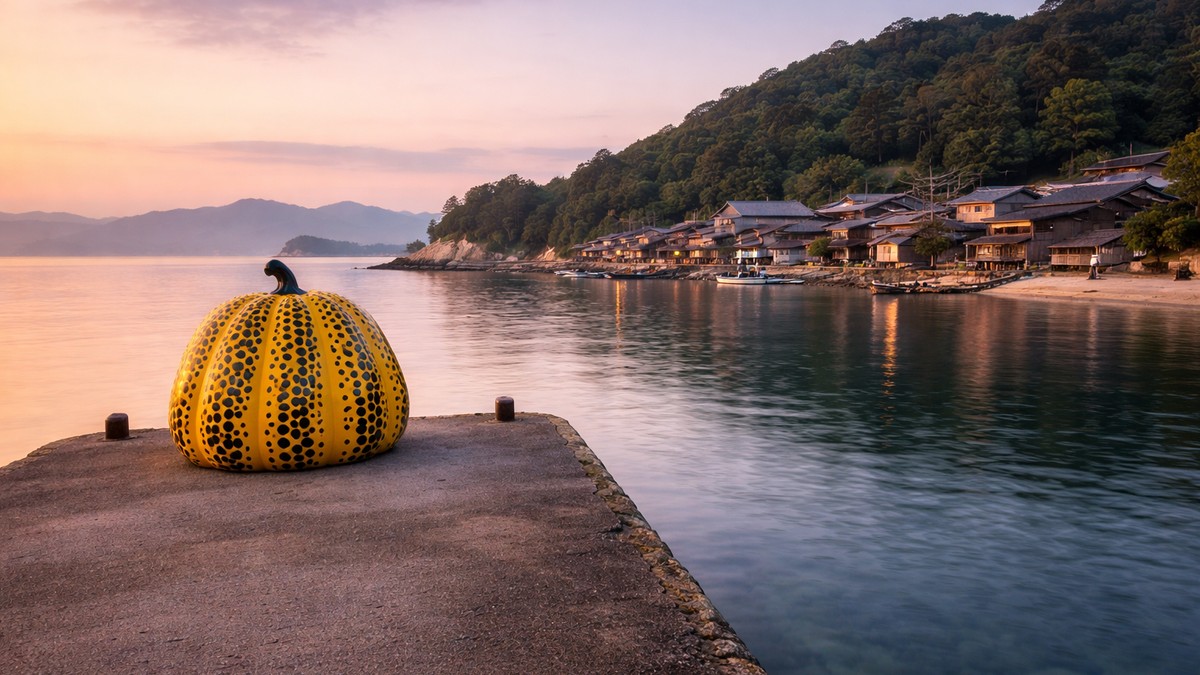
The Most Surprising Cultural Experiences Around the World are rarely the ones splashed across glossy brochures. They sit in secondary cities, rural islands, and unexpected political contexts.
Here is the thesis: the cultural experiences that most surprise seasoned travelers are also the ones that command the highest perceived value, because surprise signals authenticity in an era of overtourism.
For travel agencies and tour operators, that is not just an editorial observation. It is a commercial strategy.
Why surprise is the new luxury
Cultural saturation versus cultural depth
Global tourism reached approximately 1.3 billion international arrivals in 2023 according to UN Tourism estimate. The rebound has intensified crowding at predictable icons. Paris, Rome, Bali, Kyoto.
At the same time, UNESCO lists more than 1,100 World Heritage Sites worldwide. Many receive a fraction of the traffic of headline attractions.
Experienced travelers have seen the Eiffel Tower. They have walked the Colosseum. What they have not done is spend an evening in a Finnish smoke sauna discussing geopolitics with a local entrepreneur, or explore contemporary art installations on a remote Japanese island.
Cultural depth now competes with physical luxury.
The commercial upside of unexpected moments
Example one. A London based agency added a two night extension to Japan focused on Naoshima and Teshima art islands. The extension increased average booking value by 1,850 pounds per couple. Attachment rate was 37 percent among high net worth clients. Post trip feedback cited the art island stay as the most memorable part of the journey.
Surprise works because it feels discovered, even when curated.
The Most Surprising Cultural Experiences Around the World
Japan’s rural art islands
Naoshima, Teshima, and Inujima in Japan’s Seto Inland Sea host world class contemporary art in minimalist rural settings. The Setouchi Triennale has drawn hundreds of thousands of visitors since its launch in 2010 estimate.
What surprises travelers is not just the art. It is the juxtaposition of cutting edge installations with fishing villages and aging populations.
Position it as intellectual immersion. Limit group size. Build in time for slow exploration.
Saudi Arabia’s contemporary heritage push
Saudi Arabia has rapidly expanded its tourism ambitions under Vision 2030. The ancient site of AlUla, home to Hegra which is a UNESCO World Heritage Site, has been developed for controlled tourism.
In 2023, Saudi Arabia reported over 100 million domestic and international tourists combined estimate. The surprise factor here is cultural access in a destination many clients previously perceived as closed.
Handled sensitively, programs in AlUla that combine archaeology, desert landscapes, and conversations with local historians can command premium pricing.
Colombia’s transformation narratives
Medellin has transformed from a symbol of conflict into a case study in urban regeneration. Guided visits that focus on social innovation, cable car transport systems, and community art projects offer cultural insight beyond coffee tours.
Example two. A US based tour operator created a four night Medellin program centered on urban transformation storytelling. Average land cost per client was 1,200 dollars. The operator priced it at 2,050 dollars including private guides and curated meetings with local entrepreneurs. Gross margin exceeded 30 percent, driven by differentiated content rather than luxury hotels.
Surprise here lies in reframing perception.
Finland’s sauna diplomacy
Sauna culture in Finland is not a spa add on. It is a social institution. There are an estimated 3 million saunas in a country of 5.5 million people estimate.
Private sauna evenings that include discussion of Finnish business culture, politics, and sustainability resonate with corporate groups.
Cultural intimacy is the product.
Rwanda’s cultural villages beyond gorillas
Rwanda is known for gorilla trekking. Less known are initiatives that showcase Intore dance, traditional cattle culture, and reconciliation storytelling.
Gorilla permits alone cost 1,500 dollars per person as of recent Rwanda Development Board pricing estimate. Adding a well curated cultural village experience for 150 to 300 dollars can deepen understanding while increasing overall trip value.
The surprise is emotional context.
Mexico City’s indigenous revival
Mexico City is one of the largest cities in the world with over 20 million people in its metropolitan area estimate. Beneath its cosmopolitan veneer lies a powerful indigenous revival movement in cuisine, textiles, and language.
Private visits to community kitchens in Xochimilco or design studios working with indigenous artisans offer a narrative far richer than a standard taco tour.
Example three. An Australian agency integrated a half day textile workshop in Mexico City into a broader Latin America itinerary. Incremental cost per client was 95 dollars. The agency priced the experience at 240 dollars. Attachment rate was 62 percent among cultural travelers.
Small cultural add ons can generate outsized returns.
Pricing and positioning cultural depth
Experience density and perceived value
Cultural experiences are often lower in hard cost than luxury accommodation. The value lies in access and narrative.
A private historian in AlUla might cost 600 dollars for half a day. Spread across a group of eight, that is 75 dollars per person. Marketed correctly, it becomes a premium differentiator.
Experience density matters. One deep encounter per day is usually sufficient. Over programming dilutes impact.
Managing expectations
Surprise must be contextualized. Clients need to understand why they are visiting a rural Japanese island or attending a community meeting in Medellin.
Pre departure briefings and thoughtful documentation elevate perceived professionalism.
What this means for travel agencies
Sourcing authentic partners
Authenticity cannot be improvised. Vet local partners carefully. Avoid experiences that feel staged purely for tourists. Seek operators embedded in communities.
Packaging and upselling
Integrate cultural extensions as optional modules. Present them as limited access opportunities. Scarcity drives conversion.
Show comparative value. A 250 dollar cultural workshop may deliver more lasting impact than a 250 dollar helicopter transfer.
Monitoring margin after booking
Cultural trips often involve multiple small suppliers. Hotel pricing in emerging cultural destinations can fluctuate significantly.
Monitoring post booking hotel rates in places like Medellin or Mexico City can recover margin without altering the client experience. Even a modest 30 dollar nightly reduction across five nights improves profitability.
Operational discipline underpins creative programming.
Quick takeaways
• Surprise signals authenticity in a crowded global market
• Cultural depth often carries higher perceived value than luxury hardware
• Small group intellectual access can command strong margins
• Emerging destinations require careful expectation management
• Post booking rate monitoring protects profit in dynamic markets
Common mistakes
• Confusing authenticity with lack of comfort
• Over scheduling cultural encounters in a single day
• Ignoring political and social sensitivities
• Treating cultural add ons as afterthoughts rather than core narrative
• Failing to brief clients on context and etiquette
Conclusion
The Most Surprising Cultural Experiences Around the World are not accidents. They are curated moments that challenge assumptions and deepen understanding.
For agencies willing to invest in research, partnerships, and operational rigor, cultural surprise is more than editorial flair. It is a defensible business model.
The next time you build an itinerary, ask a simple question. What will genuinely surprise this traveler. Then design around that answer.