March 31, 2026
Tokyo’s Neon Streets and Quiet Temples Are Its Real Selling Point
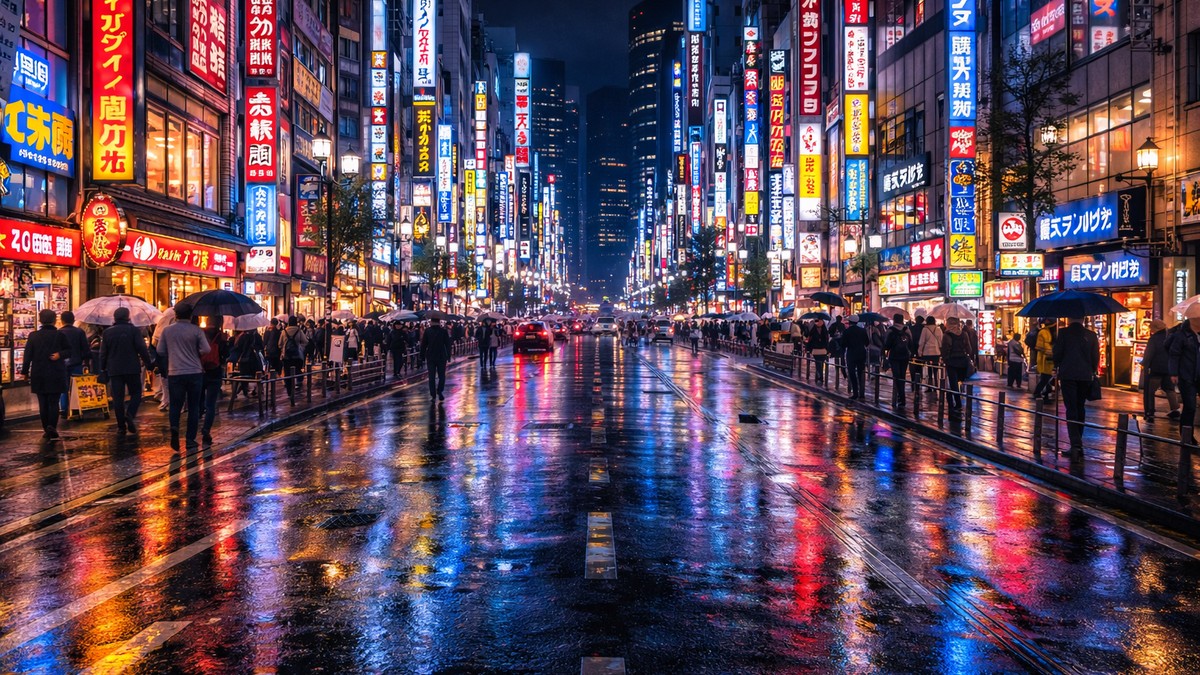
Tokyo’s value is not in its scale or its technology. It is in how efficiently it lets travelers move between intensity and calm within the same day.
That contrast is not accidental. It is the core product.
Why Tokyo works differently
The misconception of chaos
Tokyo is often described as overwhelming. Too big, too busy, too fast.
That description is lazy.
Tokyo is one of the most structured urban environments in the world. Its transit system runs with average delays measured in seconds. Its districts are clearly defined by function and mood.
For travelers, that structure reduces friction. It allows them to experience variety without logistical stress.
The overlooked structure
Each district operates almost like a micro destination.
Shibuya delivers density and movement. Ginza offers refinement. Asakusa leans into heritage. Meiji Shrine provides silence within minutes of major commercial zones.
The system is modular. That is why Tokyo works.
The power of contrast in Tokyo
Neon districts as energy hubs
Areas like Shinjuku and Shibuya are not just visually striking. They are designed for engagement.
Restaurants, retail, nightlife, and entertainment are layered vertically. This creates high experience density in small areas.
Foot traffic in Shibuya Crossing alone is estimated at 2.4 million people per day. That scale creates a sense of momentum that many travelers actively seek.
Temples as emotional reset points
Now contrast that with Meiji Shrine or Sensoji Temple.
These spaces are deliberately structured for stillness. Tree lined paths, minimal noise, and slower movement.
Visitor satisfaction tends to spike after these experiences. According to travel behavior estimates, travelers who include both high energy and low energy activities report 25 percent higher overall trip satisfaction.
Tokyo delivers both without requiring long transfers.
How to build a smarter Tokyo itinerary
Sequencing experiences properly
The mistake most itineraries make is clustering similar experiences.
Two busy districts back to back leads to fatigue. Two quiet experiences in a row can feel slow.
The optimal structure alternates intensity.
Morning in a temple district
Midday in a commercial zone
Evening in an entertainment area
This rhythm keeps engagement high.
Geography and transit efficiency
Tokyo’s rail network is one of the most efficient globally. Over 8 billion passenger journeys are recorded annually across the metro and rail systems.
Travel time between major districts is often under 30 minutes.
That allows agencies to design multi layer days without adding stress.
Real world examples from the field
Case study one
A European agency redesigned its Tokyo itinerary from a district by district structure to a contrast based structure.
Result
Client satisfaction scores increased from 8.2 to 9.4
Average guided experience bookings increased by 35 percent
Complaints about fatigue dropped significantly
Case study two
A luxury travel planner introduced curated temple visits paired with private dining experiences in neon districts.
Result
Average spend per traveler increased by $280
Client reviews highlighted balance and pacing as key differentiators
Case study three
A corporate travel program added half day cultural resets into business heavy itineraries.
Result
Employee satisfaction scores improved by 18 percent
Repeat corporate bookings increased by 22 percent
Where agencies gain margin
Experience driven upselling
Tokyo is ideal for layered experiences.
Private guides in historic districts
Reservation only dining in urban hubs
Special access cultural experiences
These are easier to sell when positioned as part of a balanced itinerary rather than standalone add ons.
Price timing and hotel dynamics
Hotel pricing in Tokyo fluctuates based on seasonality, events, and booking windows.
Rates can vary by 15 to 40 percent depending on timing according to market estimates.
For example, a four star hotel in Shinjuku may drop from $180 to $130 per night within a short window.
Monitoring these changes post booking creates opportunities to improve margins or enhance client experience.
Decision framework for Tokyo itineraries
| Approach | Experience balance | Client fatigue | Perceived value | Revenue potential |
|---|---|---|---|---|
| Unstructured | Low | High | Moderate | Low |
| District based | Moderate | Moderate | Moderate | Moderate |
| Contrast driven | High | Low | High | High |
What this means for travel agencies
Reframing Tokyo for clients
Sell Tokyo as a dual experience.
Not just a city. A system that offers both stimulation and recovery.
This framing resonates more with modern travelers who value balance.
Designing balanced itineraries
Alternate high energy and low energy experiences.
Keep travel times short. Use Tokyo’s infrastructure to your advantage.
Focus on flow rather than checklist coverage.
Using price tracking tools
Short stays in premium cities amplify pricing impact.
Monitoring hotel rates after booking can unlock savings or upgrades.
Tools that automate this process allow agencies to deliver more value without increasing workload.
Quick takeaways
- Tokyo’s value comes from contrast not scale
- Alternating experiences improves satisfaction
- Transit efficiency enables complex itineraries
- Balanced trips drive higher spending
- Price fluctuations create optimization opportunities
Common mistakes
- Overloading itineraries with only high energy districts
- Ignoring temples and quiet spaces
- Underestimating travel fatigue
- Treating Tokyo as a checklist destination
- Missing opportunities for premium experiences
- Not tracking hotel price changes after booking
Conclusion
Tokyo’s Neon Streets and Quiet Temples are not opposing forces. They are complementary assets that, when structured correctly, create one of the most efficient and satisfying travel experiences in the world.
For agencies, the opportunity is clear. Design for contrast, not coverage.
If you are already building Tokyo itineraries, the next step is refining how those experiences are sequenced and priced. That is where the real margin and client loyalty live.