March 18, 2026
Travel Destinations That Feel Wild and Untouched
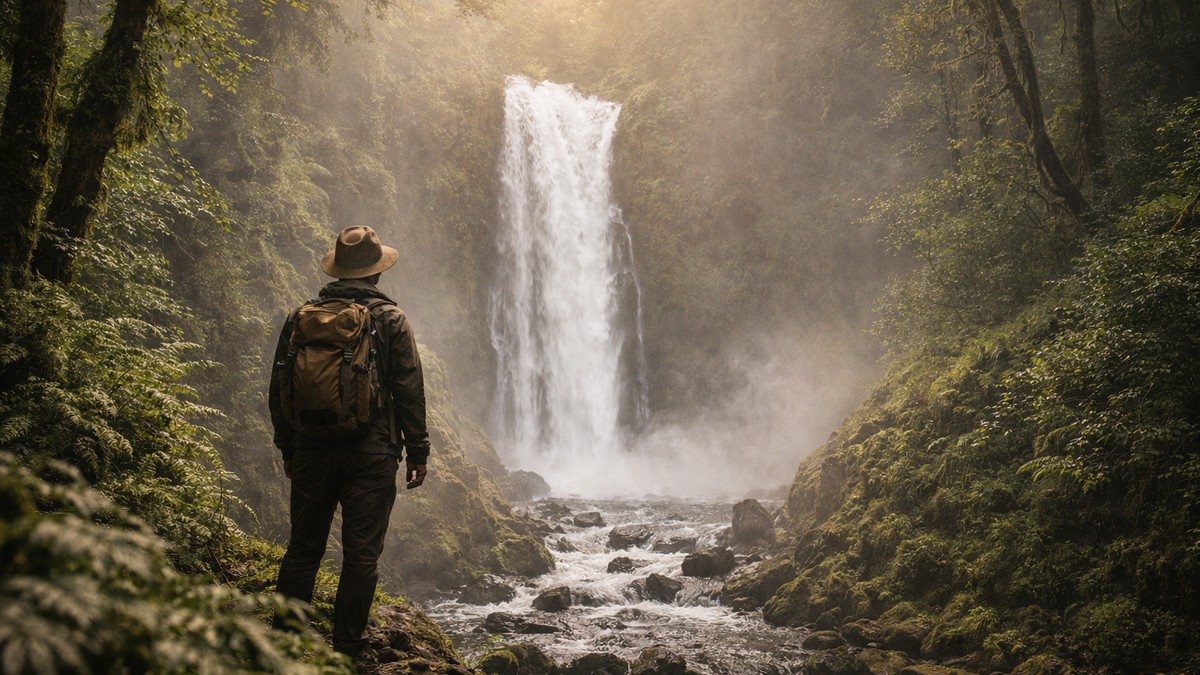
The most successful “wild” destinations are not truly untouched, they are carefully controlled experiences that feel untouched.
That is the core insight behind Travel Destinations That Feel Wild and Untouched in today’s market. Travelers are not actually looking for isolation. They are looking for the perception of it. The difference matters. Because the destinations that sell best are not the most remote. They are the ones that balance raw nature with just enough infrastructure to make the trip easy to book and deliver.
For travel agencies, this is where margin and differentiation intersect.
The myth of true remoteness
Completely untouched destinations are difficult to sell.
Barriers include
-
Complex logistics
-
Limited accommodation
-
Higher operational risk
-
Unpredictable travel conditions
Estimate
-
Less than 15 percent of travelers are willing to accept high logistical complexity for the sake of remoteness
What most clients actually want
-
Fewer crowds
-
Dramatic landscapes
-
A sense of discovery
They want wildness without friction.
What makes a destination feel wild
The perception of wilderness is created, not accidental.
Perception versus reality
A destination can feel remote even when it is accessible.
Key elements
-
Vast open landscapes
-
Minimal visible development
-
Strong natural identity
Example
A traveler in Iceland’s highlands may be only a few hours from Reykjavik but feels completely removed from civilization.
Controlled isolation
The best destinations manage access without eliminating it.
What this looks like
-
Limited daily visitor numbers
-
Protected natural areas
-
Structured routes and experiences
This creates exclusivity without operational chaos.
Limited but reliable access
Ease of access still matters.
Winning destinations offer
-
One or two clear entry points
-
Predictable transport options
-
Reliable accommodation
Example
An agency compared two African destinations
-
One required multiple connecting flights and unpredictable transfers
-
One had a single gateway with structured safari logistics
Results
-
The second destination had 2.7 times higher booking volume
Destinations that deliver the wild experience
Certain locations consistently strike the right balance.
Iceland Highlands
Why it works
-
Stark volcanic landscapes
-
Minimal infrastructure visibility
-
Strong road based access during season
Fact
-
Iceland receives over 2 million visitors annually yet large areas remain sparsely populated
Patagonia
A classic example of perceived remoteness.
Why it works
-
Expansive landscapes
-
Iconic trekking routes
-
Structured tourism infrastructure
Example
An agency offered a six night Patagonia itinerary
-
Average price $3,200
-
Included guided hikes and transfers
Results
-
22 percent higher margin than standard South America trips
-
High satisfaction scores
Namibia
One of the most visually distinctive destinations.
Why it works
-
Desert landscapes with low population density
-
Self drive and guided options
-
Strong photographic appeal
Fact
-
Namibia is one of the least densely populated countries in the world
Faroe Islands
A rising alternative to overcrowded destinations.
Why it works
-
Dramatic cliffs and coastal scenery
-
Controlled tourism growth
-
Easy access via a single hub
Example
A European agency repositioned Faroe Islands trips as premium short breaks
-
Four night packages priced at €1,450
-
Conversion rate increased by 31 percent compared to similar Nordic trips
The economics of wild travel
Wild destinations command higher value when positioned correctly.
Higher perceived value
Remoteness increases perceived exclusivity.
Benefits
-
Higher willingness to pay
-
Stronger emotional connection
-
Increased shareability
Estimate
-
Travelers are willing to pay 20 to 40 percent more for trips perceived as unique or remote
Lower price sensitivity
When the experience feels rare, price becomes secondary.
Example
A safari style itinerary with strong storytelling and curated experiences
-
Priced 25 percent above comparable trips
-
Maintained booking volume
Operational challenges
Wild destinations come with cost variability.
Challenges include
-
Seasonal pricing fluctuations
-
Limited supplier competition
-
Higher transport costs
Estimate
-
Price fluctuations of 10 to 20 percent are common in remote destinations
What this means for travel agencies
Understanding Travel Destinations That Feel Wild and Untouched requires strategic design.
Designing wild but accessible trips
Balance is critical.
Action steps
-
Choose destinations with strong infrastructure hidden behind natural settings
-
Limit visible logistics in marketing
-
Build itineraries that feel seamless
Positioning tip
-
Emphasize space and scale rather than difficulty
Pricing for perception
Price based on experience not cost.
Best practices
-
Bundle core experiences into one clear package
-
Avoid breaking down costs excessively
-
Highlight uniqueness rather than distance
| Package type | Duration | Key feature | Target client | Margin potential |
|---|---|---|---|---|
| Explorer | 4 to 5 nights | Guided highlights | First time remote travelers | Medium |
| Immersive | 6 to 7 nights | Multiple landscapes | Couples and adventurers | High |
| Premium | 6 to 8 nights | Private experiences | High value clients | Very high |
Managing cost volatility
Operational discipline matters.
Approach
-
Monitor accommodation and transport pricing
-
Rebook when rates drop
-
Use savings to enhance experience or protect margin
Estimate
-
Hotel price changes of 5 to 12 percent are common within booking windows
Tools that automate this process allow agencies to maintain profitability without increasing client prices.
Quick takeaways
-
Wild travel is about perception not true isolation
-
Accessibility drives bookings more than remoteness
-
Controlled tourism creates exclusivity
-
Travelers pay more for perceived uniqueness
-
Cost optimization is essential in remote destinations
Common mistakes
-
Choosing destinations that are too difficult to access
-
Overcomplicating logistics
-
Marketing remoteness instead of experience
-
Underpricing premium positioning
-
Ignoring seasonal cost fluctuations
-
Failing to monitor prices after booking
Conclusion
The opportunity in Travel Destinations That Feel Wild and Untouched is not about finding the most remote corner of the world.
It is about creating the feeling of discovery without the burden of complexity.
For travel agencies the strategy is clear
-
Focus on destinations that balance wildness with reliability
-
Design seamless experiences that feel expansive and unique
-
Optimize costs continuously behind the scenes
The agencies that master this balance will sell trips that feel rare but are operationally repeatable.
That is where the real business advantage lies.