March 12, 2026
Travel Guide to Santiago: Where City Meets Andes
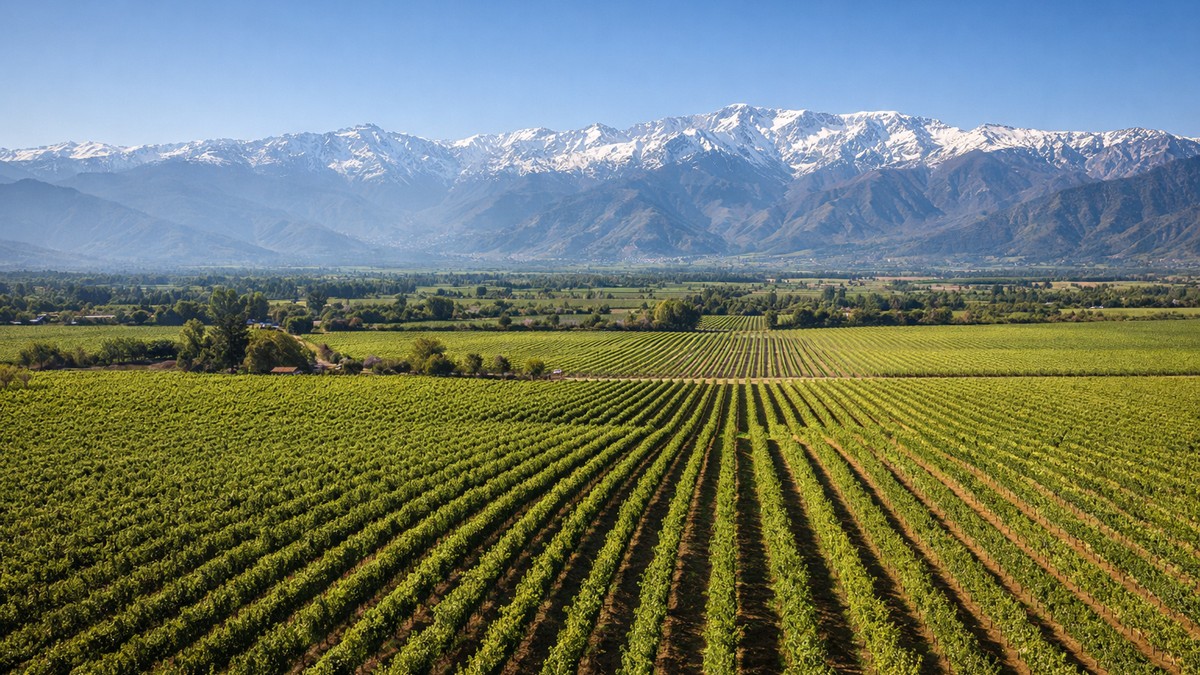
Many travelers treat Santiago as a quick stop on the way to Patagonia or the Atacama Desert.
That is a mistake.
The real strength of this city lies in geography. Santiago sits between the Andes Mountains and Chile’s wine valleys, making it one of the few capitals in the world where travelers can explore mountains vineyards and a vibrant cultural scene within a single itinerary.
This Travel Guide to Santiago focuses on how to experience the city intelligently rather than rushing through it.
The thesis is simple. Santiago works best when travelers treat it as a base for layered experiences rather than a checklist of attractions.
Why Santiago Is One of South America’s Most Strategic Cities
Geography and accessibility
Santiago sits in Chile’s Central Valley at the foot of the Andes.
The metropolitan area holds roughly 7 million residents according to Chile’s National Statistics Institute, making it the country’s largest urban center.
Yet despite its size the city remains visually dominated by mountains.
On clear days the Andes form a dramatic backdrop across the skyline.
What makes Santiago unusual is how quickly the environment changes once travelers leave the city.
Within about 90 minutes of driving visitors can reach:
• Ski resorts in the Andes
• Pacific coastline towns
• Several of Chile’s most famous wine valleys
Few capitals offer this range.
Santiago as a gateway city
Chile welcomed roughly 4.5 million international visitors in 2019 before the pandemic according to the Chilean tourism board estimate.
Most of them pass through Santiago International Airport.
But instead of simply transiting, smart travelers spend several nights exploring the city and nearby regions.
Real world example
A US based travel agency redesigned its Chile itineraries to include three nights in Santiago rather than one.
Client satisfaction scores increased significantly because travelers had time to explore wine regions and mountain viewpoints.
Exploring Santiago’s Key Neighborhoods
Santiago is a city best explored through its neighborhoods.
Each district offers a distinct atmosphere.
Lastarria and Bellas Artes
Lastarria is often the first stop for culture oriented travelers.
The district sits beside the Museum of Fine Arts and features pedestrian streets lined with cafés and bookstores.
Typical experiences include:
• Art museums
• Independent restaurants
• Weekend street markets
Example traveler experience
A couple visiting from Canada spent two evenings in the area sampling Chilean wines at local wine bars. Their total dinner costs averaged around 60 USD for two people estimate.
The area feels lively but still walkable.
Providencia
Providencia is one of the city’s most practical neighborhoods for travelers.
It offers:
• Excellent public transport
• Parks and tree lined streets
• A wide range of hotels and restaurants
Many international visitors choose to stay here because it balances convenience and safety.
Barrio Italia
Barrio Italia has emerged as Santiago’s creative district.
Former industrial buildings now house:
• design studios
• craft shops
• boutique restaurants
• art galleries
The neighborhood attracts younger travelers and locals looking for independent culture rather than large shopping malls.
The Andes and Outdoor Landscapes Near Santiago
Cerro San Cristobal
Inside the city itself the best viewpoint is Cerro San Cristobal.
This hill rises about 880 meters above sea level and offers panoramic views of Santiago and the Andes.
Visitors reach the summit via:
• cable car
• funicular
• hiking trails
The view at sunset is particularly dramatic.
Andes day trips
Beyond the city the Andes offer extraordinary landscapes.
Popular excursions include:
• Cajon del Maipo canyon
• Valle Nevado ski resort
• El Yeso reservoir
Real world example
A small tour group booked a private day trip to Cajon del Maipo costing approximately 120 USD per traveler including transport and lunch.
For many travelers it became the highlight of their Chile visit.
Wine Regions Within Easy Reach
Chile is one of the world’s leading wine producers.
The country exported more than 900 million liters of wine in 2022 according to the International Organisation of Vine and Wine estimate.
Several of its most famous vineyards sit within easy reach of Santiago.
Maipo Valley
Maipo Valley lies just south of the capital.
The region is known for producing exceptional Cabernet Sauvignon.
Many vineyards offer guided tastings and estate tours.
Casablanca Valley
Casablanca Valley sits closer to the Pacific Ocean.
Cool coastal breezes create ideal conditions for Sauvignon Blanc and Chardonnay.
Example itinerary
A private wine tour visiting two vineyards in Casablanca Valley typically costs around 150 to 200 USD per person estimate.
These experiences often include tastings and lunch overlooking vineyards.
Planning a Smart Santiago Itinerary
Santiago rewards travelers who balance city exploration with nearby landscapes.
| Experience | Recommended Time |
|---|---|
| Santiago neighborhoods and culture | Two days |
| Andes mountains day trip | One day |
| Wine valley excursion | One day |
| Markets museums and parks | Half to one day |
Best seasons to visit
Santiago has a Mediterranean climate.
The most comfortable months tend to be:
• October
• November
• March
• April
Summer temperatures can reach 30 degrees Celsius or higher estimate.
Winter brings cooler weather but excellent skiing in the Andes.
Quick takeaways
• Santiago works best as a base for multiple regional experiences
• The Andes mountains create one of the most dramatic urban backdrops in South America
• Wine regions near Santiago rank among the most respected in the Southern Hemisphere
• Neighborhood exploration reveals the city’s cultural personality
• Balanced itineraries combine city culture mountains and vineyards
Common mistakes
• Treating Santiago as only a transit city
• Skipping nearby wine regions
• Underestimating the value of neighborhood exploration
• Planning too many day trips without city time
• Visiting only the historic center without exploring other districts
What this means for travel agencies
Santiago offers a strong foundation for premium travel programs.
Agencies can design layered itineraries that combine urban culture wine tourism and mountain landscapes.
Actionable strategies include:
• Packaging city stays with curated wine region tours
• Designing Andes experiences for photography and nature travelers
• Positioning Santiago as a lifestyle city rather than a transit hub
• Extending itineraries by one or two nights to include surrounding regions
Accommodation rates in Santiago can fluctuate significantly depending on season and business travel demand.
Tools like Rebookify allow agencies to monitor hotel prices after booking and automatically rebook when rates drop. This helps agencies increase margins while keeping clients in high quality properties.
Conclusion
This Travel Guide to Santiago highlights a simple idea.
Santiago is not just a capital city. It is a strategic hub connecting some of Chile’s most compelling landscapes and cultural experiences.
Travelers who stay longer discover a city where wine valleys sit beside mountains and vibrant neighborhoods evolve alongside historic plazas.
For agencies and travelers alike the opportunity is clear. Treat Santiago not as a stopover but as the starting point for a richer journey across central Chile.