December 14, 2025
Travel Planning Mistakes People Don’t Realize They’re Making
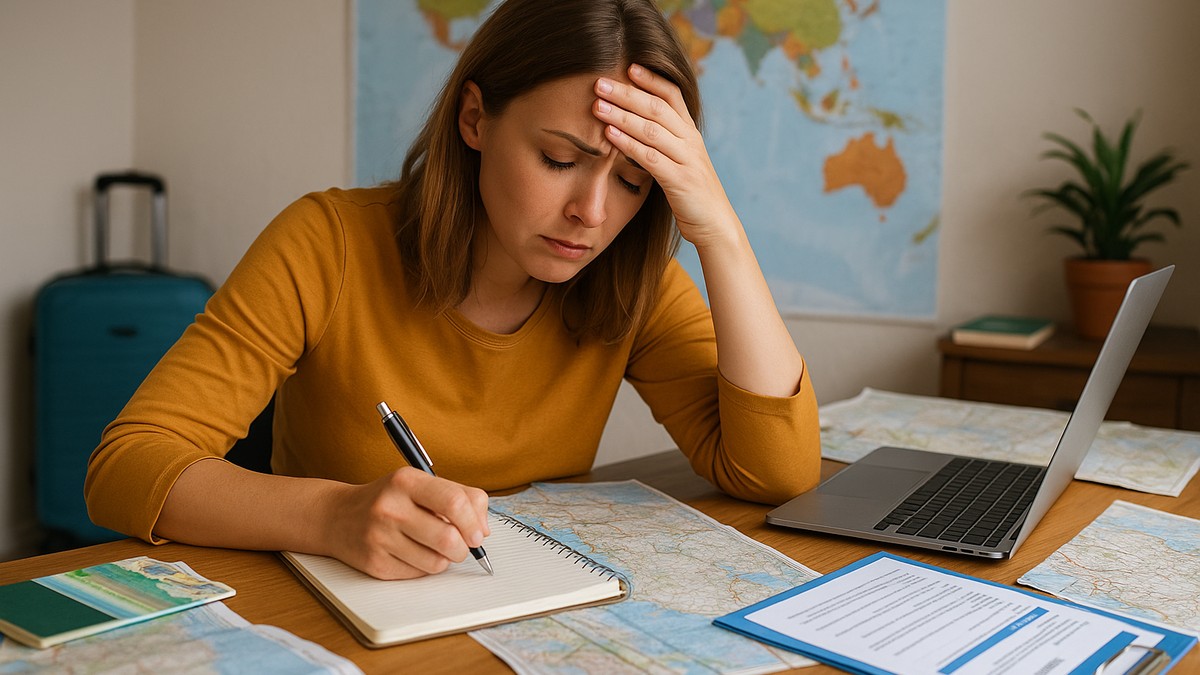
Most travel mistakes don’t happen on the road—they happen before the trip even begins. Well-intentioned planning often turns into pressure, fatigue, and disappointment when expectations don’t match reality. These are the travel planning mistakes people make without realizing it, and why small shifts can dramatically improve any journey.
Trying to See Everything
Packing too many destinations or attractions into one trip leaves little time to enjoy any of them. Rushing from place to place creates stress and turns memorable moments into checklists instead of experiences.
Underestimating Travel Time
Travel between locations almost always takes longer than expected. Delays, transfers, traffic, and navigation add up quickly. Not accounting for buffer time leads to constant rushing and unnecessary anxiety.
Overplanning Every Detail
Planning provides structure—but overplanning removes flexibility. When every hour is scheduled, there’s no room for spontaneity, rest, or unexpected discoveries that often become trip highlights.
Ignoring Personal Travel Style
Many people plan trips based on trends, social media, or other people’s preferences rather than their own. An itinerary that looks perfect online can feel exhausting or unfulfilling if it doesn’t match how you actually enjoy traveling.
Not Building in Rest
Travel is physically and mentally demanding. Skipping rest days, planning early mornings every day, or underestimating jet lag leads to burnout halfway through the trip.
Budgeting Only for Big Expenses
Flights and hotels are easy to calculate, but small costs add up fast. Meals, transport, attraction fees, tips, and extras often push budgets beyond expectations, creating stress mid-trip.
Assuming Everything Will Go Smoothly
Unexpected issues are part of travel. Weather, closures, cancellations, and cultural differences require flexibility. Planning without backup options makes small disruptions feel like major problems.
Overlooking Logistics Until the Last Minute
Visas, travel insurance, local transport rules, currency exchange, and entry requirements are often ignored until it’s too late. These oversights can derail plans before the trip even starts.
Comparing Your Trip to Others
Comparing experiences—especially on social media—creates unrealistic expectations. Every trip is unique, and constantly measuring yours against others diminishes enjoyment of your own journey.
What This Means for Better Travel Planning
Good travel planning isn’t about controlling every detail—it’s about creating space for ease, curiosity, and recovery. Leaving room for flexibility, rest, and personal preference leads to trips that feel lighter and more rewarding.
The best journeys aren’t perfectly planned—they’re thoughtfully prepared.