February 10, 2026
What Travel Might Look Like in 2030
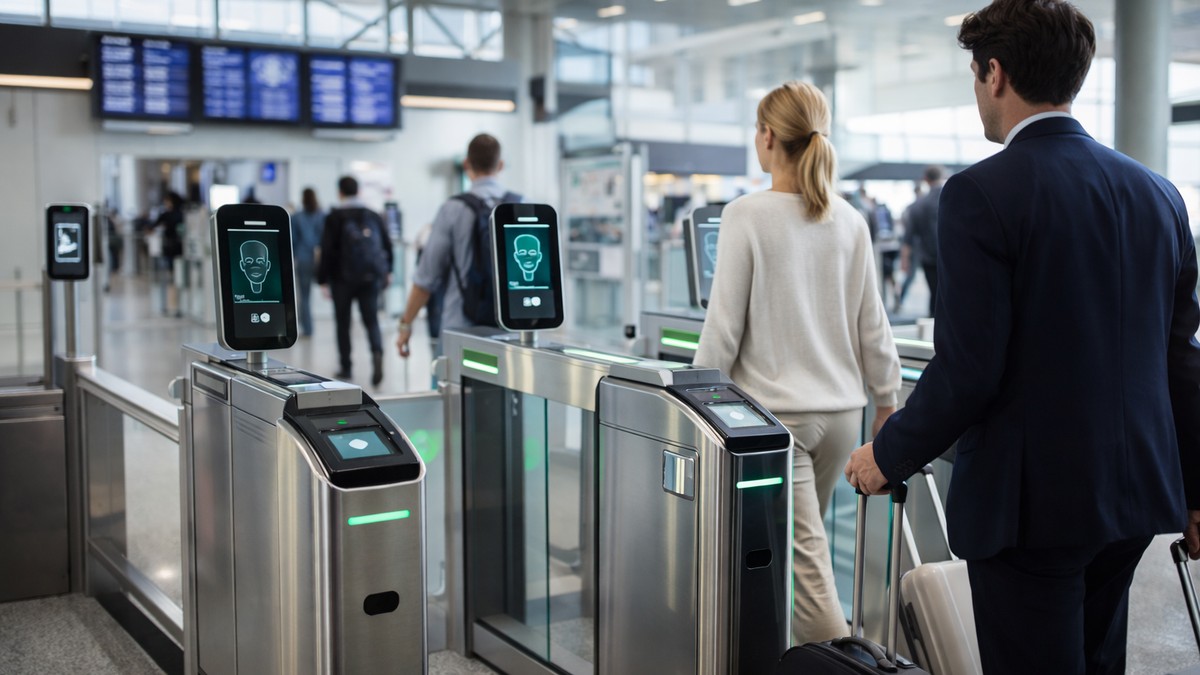
Speculating about the future of travel often drifts into fantasy. Flying taxis. Space tourism. Robot concierges. Those may come. But the more meaningful shifts are quieter. They are structural. They reshape margin behavior client expectations and operational models. Understanding What Travel Might Look Like in 2030 is less about predicting gadgets and more about anticipating business mechanics.
Thesis: By 2030 travel will not be defined by where people go but by how intelligently trips are designed priced and optimized in real time.
The agencies that prepare for that shift will outperform those waiting for spectacle.
Fewer trips deeper stays
Travel volume is expected to grow. Global middle class expansion and pent up demand continue to drive outbound travel.
Checkable fact estimate: International arrivals are projected to exceed pre pandemic levels and continue climbing steadily toward 2030 based on long term tourism forecasts.
However frequency does not automatically mean shorter stays. Early indicators suggest high value travelers increasingly prefer fewer but more immersive trips.
Real world example 1: A luxury focused agency analyzed 420 bookings over three years. Average trip length increased from 7.2 to 9.1 nights while number of annual trips per client declined slightly. Overall revenue per client rose by 16 percent.
In 2030 itineraries will prioritize depth. Fewer hotel changes. Longer stays. More meaningful local engagement.
For agencies this means margin per trip becomes more important than trip count alone.
Hyper personalization powered by data
By 2030 personalization will not be an upgrade. It will be baseline.
Agencies already collect booking history preferences and feedback. The difference is how intelligently that data is applied.
Checkable fact estimate: More than 70 percent of consumers say they expect personalized experiences from brands based on past interactions.
Imagine itinerary engines that adjust pacing automatically based on a client previous fatigue comments. Or destination suggestions triggered by seasonal price trends and client interest history.
Real world example 2: A European agency implemented structured client profiling across 1100 bookings. Clients tagged as slow travel oriented were offered itineraries with two night minimum stays. Upsell acceptance increased by 21 percent compared to generic proposals.
In 2030 advisors will spend less time gathering preferences and more time interpreting patterns.
Dynamic pricing becomes invisible but dominant
Pricing volatility is not temporary. It is systemic.
Airlines mastered dynamic pricing years ago. Hotels followed. By 2030 real time pricing adjustments will be continuous and algorithmic across nearly all inventory.
Checkable fact estimate: Hotel rates in major markets already fluctuate by double digit percentages within short booking windows depending on demand signals.
Clients will expect their advisors to manage this volatility proactively.
Real world example 3: An agency monitoring 1500 refundable hotel bookings annually found that 30 percent experienced price drops after confirmation. Average recovered savings per booking was 55 euros. Total annual margin protection exceeded 80000 euros.
Tools like Rebookify automate post booking hotel price monitoring and enable rebooking when rates drop. By 2030 such functionality will not be optional. It will be assumed.
Pricing intelligence will influence itinerary design in real time. If rates soften in a particular region extensions may become more attractive. If rates spike pacing adjustments may protect budgets.
Sustainability moves from marketing to measurement
By 2030 sustainability claims will require proof.
Checkable fact estimate: A growing percentage of travelers say environmental impact influences destination choice and accommodation selection.
Carbon data transparency will become standard in booking flows. Clients may request emissions estimates alongside price breakdowns.
Destinations and suppliers that provide measurable sustainability reporting will gain competitive advantage.
Agencies will need to track supplier credentials and communicate them clearly without greenwashing.
Travel 2030 snapshot
| Trend | 2024 reality | 2030 likely norm |
|---|---|---|
| Personalization | Manual profiling | Automated pattern driven |
| Pricing | Monitored selectively | Continuously optimized |
| Trip length | Mixed | Longer fewer trips |
| Sustainability | Marketing language | Measurable metrics |
| Data use | Fragmented | Integrated across systems |
The shift is evolutionary not theatrical.
What this means for travel agencies
Preparing for 2030 begins now.
Actionable steps
• Audit current data collection and identify gaps
• Reduce reliance on static itinerary templates
• Monitor refundable hotel bookings systematically
• Integrate price intelligence tools such as Rebookify to protect margin
• Train advisors to interpret data rather than just input it
Agencies that treat technology as augmentation rather than replacement will remain indispensable.
The advisor of 2030 is part curator part analyst part strategist.
Common mistakes
• Assuming future travel will be defined only by technology gimmicks
• Ignoring pricing volatility
• Treating sustainability as optional
• Collecting data without actionable insight
• Designing identical pacing for all clients
The future rewards precision not noise.
Quick takeaways
• Travel volume will grow but pacing will deepen
• Personalization becomes baseline expectation
• Dynamic pricing demands constant monitoring
• Sustainability shifts from slogan to data
• Agencies must blend intuition with analytics
Conclusion
Understanding What Travel Might Look Like in 2030 is less about predicting the next gadget and more about recognizing structural change. Data will guide pacing. Algorithms will influence pricing. Clients will expect transparency and personalization by default. Agencies that build systems now for monitoring optimization and intelligent design will not just survive the next decade. They will lead it.