March 9, 2026
Where to Travel for Authentic Local Experiences
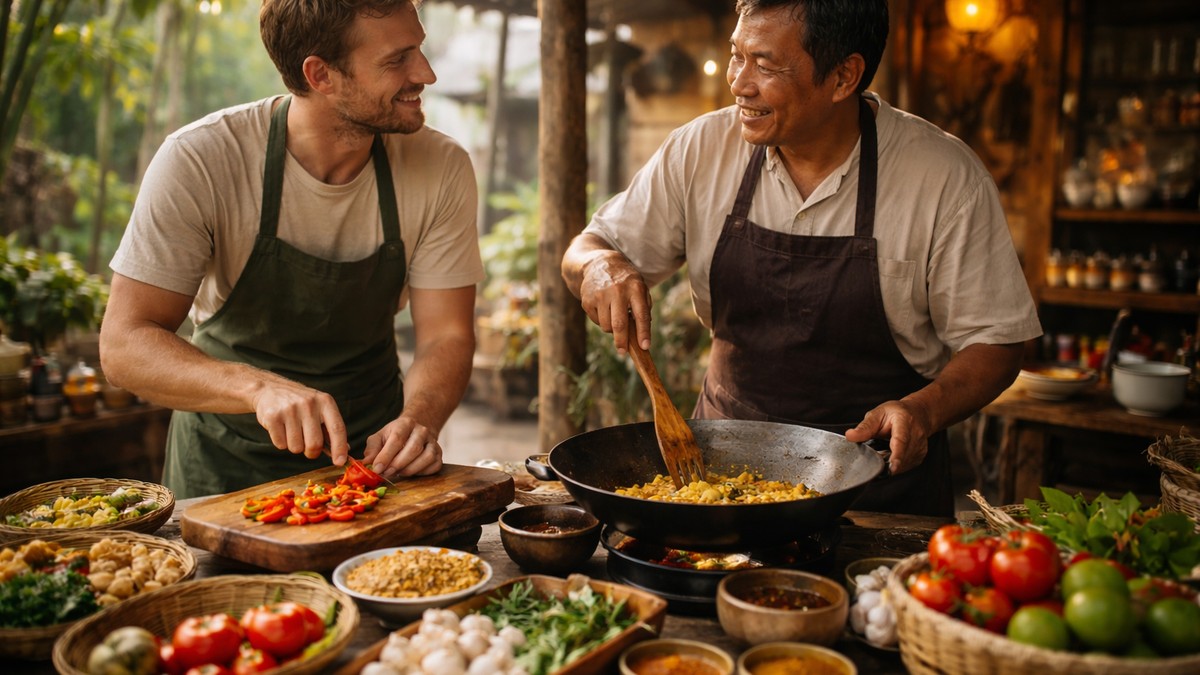
Where to Travel for Authentic Local Experiences has become one of the most common questions in modern travel.
Ironically the more the world travels, the harder authenticity can be to find. Popular destinations often become carefully curated versions of themselves. Restaurants adapt menus. Markets become attractions. Entire neighborhoods turn into photo backdrops.
Yet authentic travel still exists.
The trick is knowing where daily life still dominates tourism.
The best destinations for authentic travel are not necessarily remote or unknown. They are places where local culture remains stronger than visitor expectations.
For travel agencies and consultants this distinction is important. Travelers increasingly want meaningful interaction with culture, food, and community rather than simply collecting landmarks.
Let’s explore where that still happens.
What Actually Defines an Authentic Travel Experience
Authenticity in travel is often misunderstood.
It is not about avoiding tourists entirely. That is unrealistic in most destinations.
Instead authentic travel happens when visitors engage with everyday life.
Local food culture
Food remains one of the clearest expressions of culture.
Cities where locals and visitors eat in the same places tend to preserve authenticity.
Examples include
• Vietnam street food markets
• Mexico neighborhood taquerias
• Portuguese seafood taverns
The global food tourism market alone is expected to exceed 1 trillion dollars by 2030 according to the World Food Travel Association estimate.
Travelers increasingly choose destinations based on culinary identity.
Everyday cultural life
Authentic destinations also allow travelers to observe real daily routines.
Morning markets. Local festivals. Public transportation. Neighborhood cafes.
These experiences are rarely packaged as major attractions yet they often become the most memorable moments of a trip.
Where to Travel for Authentic Local Experiences
Several destinations consistently deliver meaningful cultural travel.
Each offers a different type of authenticity.
Georgia
The country of Georgia remains one of the most culturally rich destinations in Europe and Western Asia.
Traditional winemaking, mountain villages, and deeply rooted hospitality define the travel experience.
Georgia is believed to have over 8000 years of wine making history according to UNESCO cultural heritage research.
Visitors often encounter
• Family run vineyards
• Traditional clay wine vessels known as qvevri
• Home cooked supra feasts
Example
A travel consultant recently arranged a five day Kakheti wine region itinerary costing about 950 dollars including local guesthouses and vineyard visits.
The traveler described the experience as more personal than any European wine region visited previously.
Vietnam
Vietnam’s cultural authenticity comes from the fact that daily life happens largely in public.
Street food vendors cook on sidewalks. Markets spill into streets. Cafes fill tiny alleyways.
Visitors are not observing culture from a distance. They are part of it.
Vietnam welcomed more than 12 million international visitors in 2023 according to the Vietnam National Administration of Tourism.
Despite this growth many neighborhoods remain deeply local.
Example
A small group tour operator organized a ten day Vietnam food and culture trip costing roughly 2100 dollars including cooking classes and market tours.
Guests reported that street dining experiences became the highlight of the journey.
Mexico
Mexico may be one of the most culturally layered travel destinations in the world.
Regional cuisine, indigenous traditions, and vibrant public spaces make cultural immersion easy.
Mexico’s culinary heritage is so significant that Mexican cuisine is listed as UNESCO Intangible Cultural Heritage.
Authentic experiences often include
• Oaxaca food markets
• Traditional mezcal distilleries
• Local neighborhood festivals
Example
One travel agency designed a six day Oaxaca cultural itinerary priced at about 1600 dollars including market tours cooking workshops and artisan visits.
Clients consistently rated the experience among their most memorable trips.
Portugal
Portugal balances accessibility with deep cultural identity.
Historic neighborhoods remain lived in rather than staged for visitors.
Travelers frequently experience
• Local seafood taverns
• Neighborhood bakeries
• Traditional fado music performances
Portugal welcomed over 30 million visitors in 2023 according to Turismo de Portugal, yet cities like Lisbon and Porto still maintain strong local character.
Example
A consultant recently planned a five night Lisbon and Porto itinerary costing about 1800 dollars including culinary tours and river cruises.
Travelers reported that small neighborhood cafes provided the most authentic moments.
Japan
Japan’s authenticity often appears through cultural tradition.
Temples, tea ceremonies, and neighborhood restaurants continue centuries old practices.
Even major cities maintain strong local identity.
Visitors often experience
• Traditional ramen shops with only a few seats
• Seasonal festivals
• Historic ryokan guesthouses
Japan recorded over 25 million visitors in 2023 according to the Japan National Tourism Organization.
Despite high tourism numbers many traditions remain unchanged.
Example
A travel advisor arranged a seven day Kyoto and Tokyo itinerary costing around 3200 dollars including temple visits tea ceremonies and local guides.
Guests described the cultural experiences as the most immersive part of the trip.
Comparing Authentic Destinations
Different destinations offer different types of authenticity.
Quick decision table
| Destination | Type of Authentic Experience | Ideal Trip Length | Cultural Focus |
|---|---|---|---|
| Georgia | Wine and hospitality | 5 to 7 days | Traditional culture |
| Vietnam | Street life and food | 8 to 10 days | Culinary culture |
| Mexico | Regional traditions | 6 to 8 days | Markets and cuisine |
| Portugal | Historic city life | 5 to 7 days | Food and music |
| Japan | Cultural rituals | 7 to 10 days | Heritage traditions |
Authenticity does not require remote travel.
It simply requires destinations where daily life still dominates the travel experience.
What This Means for Travel Agencies
Demand for authentic travel experiences continues to grow.
Travelers increasingly value connection over sightseeing.
Design culture first itineraries
Instead of focusing only on major landmarks agencies should include
• local market visits
• neighborhood food tours
• small group cultural experiences
• community based activities
These moments create deeper engagement.
Partner with local guides
Authenticity often depends on perspective.
Local guides can provide insight that independent travelers might miss.
Monitor hotel pricing
Boutique hotels and local guesthouses often fluctuate in price throughout the booking cycle.
Smart agencies monitor those changes after reservations are made.
Platforms like Rebookify track hotel prices after booking and automatically allow agencies to rebook when rates drop, improving margins without altering the traveler experience.
Tell the story
Authentic destinations should be marketed through narrative.
Instead of listing attractions describe how travelers will interact with local culture.
Story driven travel sells better than checklist itineraries.
Quick takeaways
• Authentic travel focuses on culture food and daily life
• Destinations where locals dominate public spaces feel most genuine
• Georgia Vietnam Mexico Portugal and Japan deliver meaningful cultural experiences
• Local guides and neighborhood activities enhance authenticity
• Travel agencies benefit from culture focused itinerary design
Common mistakes
• Assuming authenticity only exists in remote destinations
• Over planning itineraries that leave no time for exploration
• Focusing only on famous landmarks
• Ignoring local food culture
• Choosing hotels that isolate travelers from neighborhoods
Conclusion
Where to Travel for Authentic Local Experiences ultimately comes down to one principle.
Choose destinations where everyday life still shapes the travel experience.
When travelers sit in neighborhood cafes, explore local markets, and share meals with residents, destinations feel real rather than curated.
For travel agencies the opportunity is clear.
Design trips that prioritize connection over spectacle.
Travelers will remember those experiences long after the landmarks fade from memory.