February 19, 2026
Where to Travel If You Love Markets and Street Culture
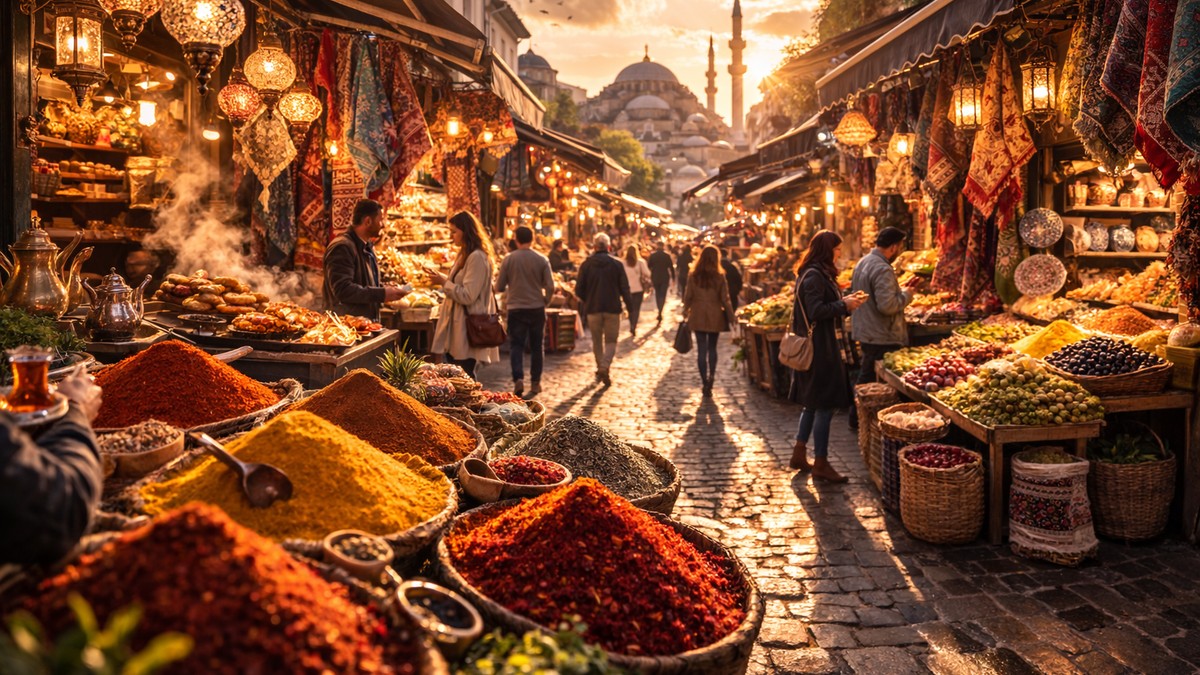
The strongest itineraries today are not built around landmarks. They are built around atmosphere. The thesis is simple: markets and street culture create higher emotional engagement per square kilometer than almost any other travel experience.
When clients ask Where to Travel If You Love Markets and Street Culture, they are not asking for a shopping list. They are asking for immersion, unpredictability, and stories they cannot download from a brochure.
For agencies, this is commercially powerful territory. Street culture drives longer dwell time, higher food spend, and more repeatable itineraries. Unlike single monument visits, markets can anchor multiple days.
Why markets outperform monuments
The psychology of street culture
Markets activate all senses. Color, noise, scent, taste, negotiation. Cognitive research on memory formation shows multisensory experiences create stronger recall patterns than passive observation estimate. A cathedral impresses. A spice market imprints.
Travelers increasingly prioritize experiential depth. According to Skift Research estimate, more than 60 percent of leisure travelers rank local culture and food as primary motivators. Markets deliver both simultaneously.
Repeatability and dwell time
A monument is visited once. A market is visited repeatedly.
In Istanbul’s Grand Bazaar, with over 4,000 shops and a history dating back to the 15th century, visitors often return multiple times during a five day stay estimate. The same is true in Bangkok’s Chatuchak Weekend Market, which hosts thousands of stalls across roughly 35 acres estimate.
That repeatability translates into longer stays. One mid sized European agency redesigned its Istanbul program around layered market visits and food walks. Average stay increased from 3.8 nights to 5.1 nights. Per booking revenue rose by 22 percent over one season.
Markets stretch itineraries organically.
Five cities that deliver
Istanbul
Istanbul is a masterclass in layered street culture. Grand Bazaar, Spice Bazaar, Kadikoy Market, neighborhood produce stalls, and ferry side tea vendors create a continuous flow of informal commerce.
Real world example: A North American operator introduced a curated market immersion day including a private guide, tasting stops, and a rooftop cooking class. The add on price was 180 euros per person. Uptake reached 68 percent among couples. Margin exceeded 40 percent.
Istanbul works because it blends scale with intimacy.
Bangkok
Bangkok’s street life extends beyond markets into night food culture. Yaowarat Road in Chinatown, floating markets outside the city, and weekend markets create different atmospheres.
Thailand welcomed roughly 28 million international visitors in 2023 estimate. Bangkok remains the primary gateway.
A boutique agency built a three night Bangkok extension purely around street food and market tours. Average ancillary spend per traveler reached 320 dollars across guided tastings and premium transport. Satisfaction scores increased compared to standard temple focused programs.
Mexico City
Mexico City’s markets such as Mercado de la Merced and Mercado Roma represent both tradition and reinvention. The city’s street art scene in neighborhoods like Roma and Condesa adds a creative layer.
Mexico City has become a culinary capital, with multiple restaurants on global best lists estimate.
An operator targeting millennial travelers created a four day culture package anchored around markets, mezcal tastings, and street photography walks. Booking conversion improved by 17 percent compared to museum heavy itineraries.
Marrakech
Jemaa el Fnaa square transforms from daytime orange juice vendors to nighttime food theater. The surrounding souks offer a maze of textiles, lanterns, and craftsmanship.
Morocco recorded over 14 million visitors in 2023 estimate, with Marrakech as a top draw.
Market centric itineraries here allow luxury layering. Private riad stays, curated artisan visits, and guided shopping experiences increase booking value without inflating infrastructure costs.
Palermo
Palermo in Sicily delivers raw market energy in Ballaro and Vucciria markets. Street food such as arancini and panelle is central to the experience.
Italy remains among the top five most visited countries globally estimate. Palermo offers differentiation from Rome and Florence heavy circuits.
An Italian DMC reported that shifting Sicily programs to emphasize market walks and street culture increased average traveler age diversity and raised food tour attachment rates by 30 percent.
Matching market cities to client profiles
Different markets fit different buyers.
Culinary travelers
Bangkok and Mexico City perform best. Food tours, cooking classes, chef led walks create monetizable layers.
Creative professionals
Istanbul and Palermo offer photography, textiles, crafts. Street culture becomes content.
Luxury clients seeking authenticity
Marrakech excels. Private after hours access, artisan workshops, and high end riads create a blend of intimacy and exclusivity.
Here is a simple evaluation table agencies can use
| City | Market Density | Add On Potential | Best Client Type | Margin Potential |
|---|---|---|---|---|
| Istanbul | High | Food and crafts | Culture focused couples | High |
| Bangkok | Very High | Food tours | Culinary explorers | Very High |
| Mexico City | High | Creative tours | Younger experiential group | High |
| Marrakech | High | Artisan access | Luxury authenticity seeker | Very High |
| Palermo | Medium | Street food | Italy repeat visitors | Medium High |
Commercial math behind street culture trips
Spend patterns
Markets encourage incremental spending. Small purchases accumulate. Guided tastings convert to cooking classes. Street art walks convert to gallery visits.
Example: A UK based agency tracked ancillary spending on a Marrakech program. Clients who booked guided souk tours spent 26 percent more overall compared to those on standard sightseeing routes.
Add on potential
Street culture is modular.
One agency created a tiered Bangkok product. Base itinerary included one guided market tour. Premium version added chef led tasting and private river transfer. Upgrade rate reached 41 percent.
Street culture is flexible enough to justify upsells without friction.
What this means for travel agencies
-
Design itineraries around atmosphere not checklist monuments.
-
Bundle guided market experiences early in the sales conversation.
-
Highlight sensory elements in marketing copy. Smell, taste, texture.
-
Train advisors to position markets as storytelling anchors.
-
Monitor hotel pricing carefully in high demand districts. Properties near major market areas often fluctuate seasonally.
Tools that monitor rate drops post booking can quietly improve margin without touching the client experience. When agencies protect margin on core accommodation, they gain flexibility to invest in curated street experiences that differentiate their brand.
Street culture is not just a cultural hook. It is a revenue engine.
Common mistakes
• Treating markets as short photo stops rather than core experiences
• Ignoring local guide quality which determines depth of immersion
• Overpacking itineraries and leaving no free exploration time
• Underestimating client appetite for authentic food experiences
• Failing to segment market based products by traveler profile
Quick takeaways
• Markets generate higher emotional recall than static monuments
• Repeat visits extend length of stay
• Food centric tours drive measurable upsell revenue
• Street culture supports modular premium add ons
• Margin protection on hotels supports richer experience design
Conclusion
Where to Travel If You Love Markets and Street Culture is ultimately a commercial question as much as a cultural one. Cities that deliver dense, walkable, sensory experiences create longer stays, higher ancillary spend, and stronger word of mouth.
For agencies willing to design around energy rather than landmarks, markets become more than colorful backdrops. They become the structural core of high value itineraries.