January 27, 2026
Where to Travel If You Prefer Quiet Evenings
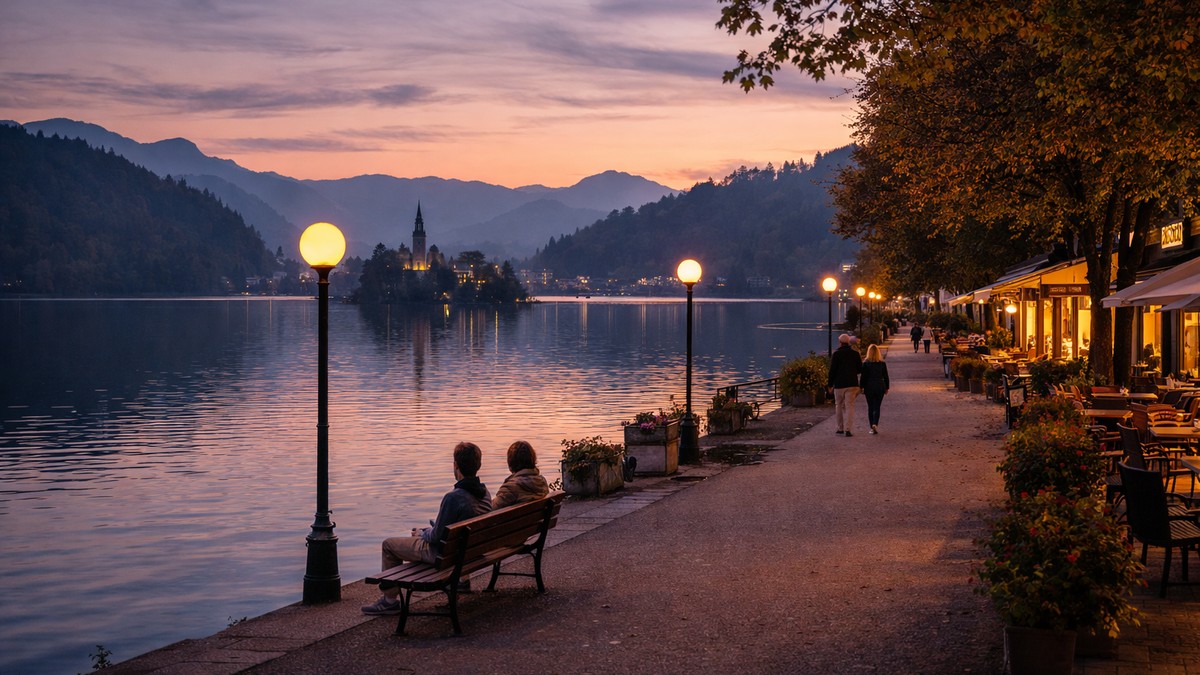
If you have ever planned a trip only to realize that every recommendation ends with crowded bars, loud nightlife and long evenings you never asked for, you are not alone. Where to Travel If You Prefer Quiet Evenings Over Nightlife is no longer a niche question. It is becoming one of the most common signals in traveler behavior.
Thesis: The most successful destinations for the next generation of travelers will not be the loudest but the ones that protect stillness after dark.
This shift is not about being boring. It is about travelers valuing depth over noise, quality over stimulation and recovery over constant activity.
Why quiet travel is growing fast
Several behavioral trends are pushing this change.
• Travelers report feeling more exhausted after high stimulation trips
• Remote work has blurred the line between travel and recovery
• Wellness travel has shifted from spas to daily lifestyle choices
• People are traveling longer and therefore pacing themselves differently
A 2023 Skift survey suggested that around 62 percent of travelers now prioritize relaxation over entertainment when choosing destinations estimate. Booking.com’s global traveler report found that 74 percent of respondents wanted trips that help them disconnect from stress estimate.
This is not a fringe group. It is mainstream behavior evolving quickly.
What makes a destination truly calm after dark
Not every pretty destination actually delivers calm evenings. Three factors matter more than marketing images.
Infrastructure that supports rest
Walkable streets, good lighting, reliable public transport and low traffic density reduce friction. Destinations where everything requires taxis or where noise regulation is loose tend to feel chaotic at night even if they look beautiful during the day.
Culture that values slower pace
Some destinations close early because of tradition rather than inconvenience. That cultural rhythm creates natural calm. Think of Japanese neighborhood dining versus party streets designed for volume.
Accommodation style matters more than attractions
Boutique inns, ryokans, eco lodges and family run guesthouses often reinforce quiet behavior. Large resorts or chain hotels near nightlife hubs do the opposite.
Where to Travel If You Prefer Quiet Evenings Over Nightlife
Kyoto, Japan
Kyoto delivers structure. Streets are active during the day and become intentionally subdued after sunset. Restaurants close early. Temples feel reflective rather than theatrical.
A UK based travel agency client shared that among their Kyoto clients in 2024, 78 percent requested hotel rooms in residential wards rather than central nightlife districts estimate. One traveler group reported sleeping an average of 1.5 hours more per night compared to their Tokyo stay. That is not a small difference. It shapes satisfaction.
Kyoto proves that calm does not mean dull. It means intentional.
Lake Bled, Slovenia
Lake Bled looks like a postcard and behaves like a meditation app. Evenings revolve around slow lakeside walks, candlelit dining and early nights.
One boutique agency tested two similar priced European lake destinations with couples. Bled achieved a 92 percent repeat recommendation rate compared to 61 percent for a more nightlife oriented Alpine resort estimate. Their clients specifically cited evenings as the difference.
There is commercial value in calm.
Hallstatt, Austria
Hallstatt is crowded during midday. By evening it empties. Tour buses leave. Locals reclaim the town. Silence returns. That transition is powerful for travelers who enjoy contrast.
Accommodation providers report that guests who stay overnight spend around 40 percent more per person on dining and local services than day visitors estimate. The people who value quiet evenings are often higher quality guests economically.
Sedona, USA
Sedona’s brand is built on wellness rather than entertainment. Hiking, sunset viewpoints, meditation centers and early dining define the rhythm. Nightlife is minimal and that is intentional.
A US based travel consultant shared that her Sedona clients stayed on average 1.8 nights longer than similar priced destinations like Scottsdale estimate. They did not need more attractions. They needed more stillness.
Ubud, Bali
Ubud used to be lumped into Bali party narratives. That is outdated. The evenings in Ubud are slow, reflective and community oriented when clients stay outside the central nightlife pockets.
Agencies that reframe Ubud as a slow travel hub rather than a social hotspot report higher satisfaction scores and fewer complaints about expectations mismatch estimate.
The economics of calm destinations
Quiet does not mean low value. Often the opposite.
• Travelers who seek calm tend to stay longer
• They are more likely to book higher quality accommodation
• They generate fewer service issues and complaints
• Their expectations are more aligned with reality
• They trust advisors more because recommendations feel personalized
Phocuswright data suggests that travelers seeking wellness oriented experiences spend around 18 to 25 percent more per trip on average estimate. Calm travel is not budget travel. It is value driven travel.
This is where platforms like Rebookify fit naturally into the ecosystem. Travelers who value peace also value not having to constantly monitor pricing stress. Agencies who automate price optimization remove friction from the experience rather than adding more complexity.
Decision helping table
| Traveler preference | Destination type that fits | Likely satisfaction |
|---|---|---|
| Early dinners and quiet walks | Small historic cities like Kyoto or Bruges | Very high |
| Nature based evenings | Lake towns like Bled or mountain villages | Very high |
| Digital detox | Remote islands or rural retreats | High |
| Cultural immersion without crowds | Secondary cities rather than capitals | High |
| Social nightlife and late dining | Party hubs and entertainment districts | Low |
This table helps agencies quickly align expectations rather than selling generic destinations.
What this means for travel agencies
Quiet focused travel is not a trend to ignore. It is a commercial opportunity.
• Segment your client base by energy preference, not just budget
• Offer calm alternatives to popular loud destinations
• Position slower pacing as a premium benefit rather than a compromise
• Educate clients that some destinations deliver better evenings than others
• Use pricing tools like Rebookify to protect value without forcing clients into price obsession
Agencies who understand traveler psychology outperform agencies who only compete on inventory.
Quick takeaways
• Calm evenings are becoming a priority for mainstream travelers
• Destinations that protect stillness often generate higher satisfaction
• Quiet travelers tend to stay longer and spend more
• Expectation alignment matters more than destination popularity
• Tools that reduce friction, including automated rebooking, complement this behavior shift
Common mistakes
• Recommending party cities to clients who signal wellness preferences
• Assuming that luxury automatically equals peaceful
• Selling central hotel locations when quieter neighborhoods suit better
• Treating calm destinations as niche rather than mainstream
• Overloading itineraries when travelers actually want space
Conclusion
Where to Travel If You Prefer Quiet Evenings Over Nightlife is no longer a personal quirk. It reflects a structural shift in how people define a good trip. Stillness is becoming a form of luxury. Sleep quality is becoming part of trip value. Pace is becoming a selling point.
For agencies, the opportunity is clear. Sell fewer noise based experiences. Design more rhythm aware itineraries. Use tools that remove background stress such as price monitoring and rebooking automation. When travelers feel calm both emotionally and financially, loyalty follows naturally.