December 15, 2025
Why Loyalty Programs Alone Aren’t Enough to Save You Money
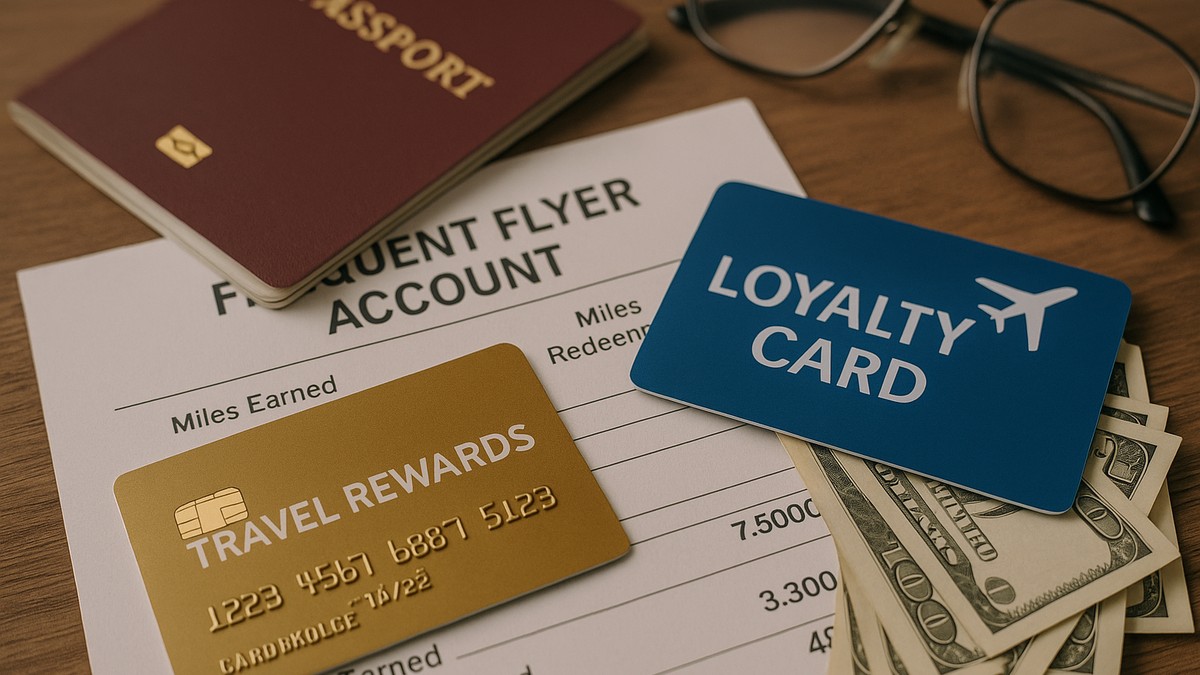
Loyalty programs are often marketed as the ultimate travel hack. Earn points, climb tiers, and unlock “free” flights or hotel stays. While loyalty programs can offer value, many travelers overestimate how much money they actually save by relying on them alone.
Here’s why loyalty programs, by themselves, aren’t enough—and how they can sometimes work against your budget.
Points Rarely Equal the Best Price
Loyalty programs often require booking directly with a specific airline or hotel brand. This limits price comparison and can result in paying more than necessary just to earn or use points. In many cases, third-party deals or alternative brands offer lower cash prices than point redemptions.
Blackout Dates and Limited Availability
“Free” travel often comes with restrictions. Blackout dates, limited award seats, and dynamic pricing mean points are hardest to use when you actually want to travel. Flexibility becomes mandatory, not optional.
Loyalty Can Lock You Into One Brand
Sticking to one airline or hotel chain reduces your options. Travelers chasing status may ignore better routes, more convenient schedules, or cheaper accommodations simply to remain loyal. Over time, this brand commitment can quietly increase overall travel costs.
Points Lose Value Over Time
Loyalty points are not stable currency. Programs frequently devalue points by increasing redemption costs or changing rules. A reward that once covered a free flight may later only cover a discount—without warning.
Hidden Costs Offset Rewards
Annual fees, higher base fares, resort fees, and upsell tactics often offset the value of earned rewards. When all costs are considered, the “savings” from loyalty programs can shrink significantly.
Status Benefits Don’t Always Translate to Savings
Perks like priority boarding, free checked bags, or room upgrades improve comfort—but they don’t always save money. Many benefits are convenience-based rather than cost-reducing, and some can be purchased more cheaply without loyalty commitments.
Smarter Savings Come From Flexibility
The biggest travel savings usually come from flexible dates, flexible destinations, and comparing multiple booking options. Loyalty programs work best when they support flexibility—not when they replace it.
When Loyalty Programs Actually Make Sense
Loyalty programs are most effective for frequent travelers who fly or stay often with the same brand, travel on predictable routes, and understand redemption strategies well. Used strategically, points can add value—but rarely on autopilot.
What This Means for Smarter Travelers
Loyalty programs should be tools, not rules. The smartest travelers combine points with price comparison, flexible planning, and a willingness to choose the best option rather than the familiar one.
Saving money on travel isn’t about loyalty alone—it’s about choice, timing, and awareness.