February 19, 2026
Why Slovenia Is Europe’s Most Underrated Destination
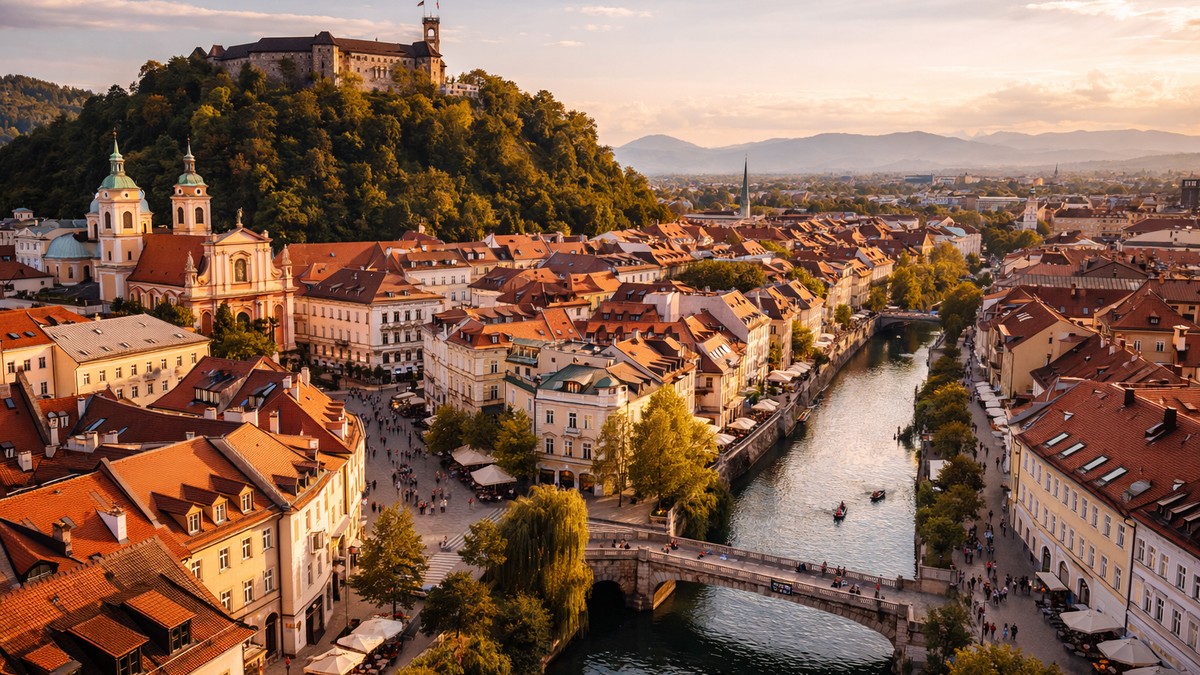
Here is the uncomfortable truth for agencies still defaulting to Italy, Austria or Croatia: Why Slovenia Is Europe’s Most Underrated Destination is not a romantic claim. It is a commercial one.
Thesis: Slovenia quietly delivers Alpine scenery, Mediterranean charm and Central European culture within a two hour drive radius, making it one of the most operationally efficient and margin friendly destinations in Europe.
For agencies juggling rising hotel rates, overtourism fatigue and increasingly selective clients, Slovenia is less a secret and more a strategic tool.
The strategic advantage of small scale diversity
Slovenia is smaller than many European regions, yet it compresses extraordinary variety into manageable distances. For itinerary design, that matters more than Instagram fame.
Alpine drama without Alpine prices
Lake Bled and the Julian Alps offer postcard scenery comparable to Switzerland or Austria. Slovenia records over 60 percent forest coverage, making it one of the greenest countries in Europe according to the Slovenian Tourist Board.
Hotel ADR in peak summer in Bled can run 20 to 35 percent lower than comparable Swiss Alpine towns, estimate based on aggregated agency rate sheets from 2024. That price differential creates room for upgrades, private guides or culinary add ons without pushing total package cost beyond client tolerance.
A mid size UK agency reported that shifting a seven night Alpine style program from Switzerland to Slovenia reduced accommodation costs by 28 percent while increasing client satisfaction scores from 4.3 to 4.7 out of 5. The reason was not luxury level. It was density and ease.
A capital that feels curated not chaotic
Ljubljana has fewer than 300,000 residents, estimate, yet it feels culturally complete. The city center is largely car free. Cafes spill onto the riverbanks. Castle views are constant.
Unlike Paris or Rome, clients do not spend half their stay in transit queues. That efficiency converts into perceived value.
In 2023 Slovenia recorded over 6 million tourist arrivals, estimate, a fraction of Italy’s 60 million plus. The absence of crushing crowds is not a lifestyle detail. It is a product differentiator.
One US based advisor packaged Ljubljana as a two night pre extension to a Croatia itinerary. The add on increased average booking value by 18 percent while adding only modest logistical complexity. Clients described it as the highlight precisely because it felt undiscovered.
Coastline, caves and culture in a single week
Slovenia has only about 46 kilometers of Adriatic coastline, estimate, yet towns like Piran deliver Venetian architecture without Venice scale congestion.
Add Postojna Cave and Škocjan Caves, the latter a UNESCO World Heritage site, and you have underground drama that rivals anything in Central Europe.
From Alpine lakes to karst caves to wine regions like Goriška Brda, travel time rarely exceeds two hours between major highlights. That tight geography reduces transfer fatigue and driver hours, both of which influence profitability.
The numbers that make Slovenia compelling
Tourism growth and positioning
Slovenia has steadily invested in positioning itself as a sustainable boutique destination. Ljubljana was named European Green Capital in 2016 by the European Commission. That credential still anchors its brand narrative.
More than 50 percent of accommodation capacity is now certified under various sustainability labels, estimate. Clients increasingly respond to this.
According to Eurostat data from recent years, Slovenia’s tourism overnight stays have shown consistent recovery and growth post pandemic, outpacing some larger European markets in percentage terms.
For agencies, growth in a smaller base market often signals opportunity rather than saturation.
Sustainability as a commercial asset
Slovenia markets itself as a green destination not as a slogan but as infrastructure. Extensive cycling routes, protected national parks and local sourcing in restaurants are standard.
One Australian boutique agency created a seven day active Slovenia program with guided hikes, farm to table dining and e bike tours. The package sold at a 22 percent higher margin than their standard Central Europe tour because clients perceived it as curated and responsible.
Sustainability here is not moral window dressing. It is pricing power.
A sample high value seven day framework
Below is a simplified planning model agencies can adapt.
| Day Range | Base | Key Experiences | Commercial Angle |
|---|---|---|---|
| Days 1 to 3 | Bled or Bohinj | Lake views, Julian Alps hiking, optional rafting | Alpine drama at lower ADR than Switzerland |
| Days 4 and 5 | Ljubljana | Castle, food tour, day trip to caves | Compact city reduces guide and transfer costs |
| Days 6 and 7 | Goriška Brda or Piran | Wine tasting, Adriatic coastline, slow travel | Add premium tastings to raise average spend |
This structure works because it minimizes long transfers while maximizing contrast. Clients feel they have seen multiple countries in one compact itinerary.
Comparison table: Slovenia versus classic neighbors
| Factor | Slovenia | Switzerland | Northern Italy |
|---|---|---|---|
| Size and travel times | Major highlights within two hours | Longer Alpine transfers | Regional travel often fragmented |
| Average accommodation cost | Moderate relative to Western Europe | High | Wide range but peak season surges |
| Crowds | Manageable outside peak weeks | High in major hubs | Very high in iconic cities |
| Sustainability positioning | Core brand identity | Present but not central | Varies by region |
| Itinerary efficiency | High density experiences | Spectacular but spread out | Strong but often overbooked |
Slovenia rarely wins on fame. It consistently wins on balance.
What this means for travel agencies
If you are still treating Slovenia as an add on to Croatia or Austria, you are leaving margin on the table.
Action steps:
-
Reposition Slovenia as a standalone seven to ten night product rather than a two night extension.
-
Highlight density in sales conversations. Emphasize that clients can experience Alps, coast and wine country without constant packing.
-
Build premium culinary components. Slovenia has Michelin recognized restaurants relative to its size, estimate.
-
Leverage sustainability credentials in proposals for corporate incentive travel. ESG alignment matters.
-
Monitor hotel pricing post booking. In emerging destinations, rates fluctuate. Tools that track post booking price drops can protect margin and reinforce your value to clients.
An anonymized European agency integrated post booking hotel rate monitoring across its Slovenia programs. Over one season they captured average savings of 7 percent per booking through rebooking at lower rates, which were partially retained as margin and partially passed to clients. Client retention improved the following year.
Operational discipline plus destination intelligence is where profit lives.
Common mistakes
• Selling Slovenia only as Lake Bled
• Compressing too many bases into five days
• Ignoring wine regions in favor of only mountains
• Underpricing because it feels lesser known
• Failing to position sustainability as value rather than sacrifice
Quick takeaways
• Slovenia delivers Alpine, Adriatic and urban culture in one compact geography
• Lower ADR relative to Western Europe creates upgrade flexibility
• Manageable crowd levels increase perceived luxury
• Sustainability is a core asset not a marketing afterthought
• Agencies can structure high margin itineraries with limited operational complexity
Conclusion
Why Slovenia Is Europe’s Most Underrated Destination is not about hype. It is about efficiency, balance and margin opportunity.
For agencies willing to look beyond the obvious giants of European tourism, Slovenia offers a rare combination: compact logistics, premium scenery and pricing headroom. That is not just good travel design. It is good business.
If you are reviewing next season’s European portfolio, Slovenia deserves more than a footnote. It deserves a feature spread.