February 20, 2026
Why South Korea Is Rising Fast as a Travel Hotspot
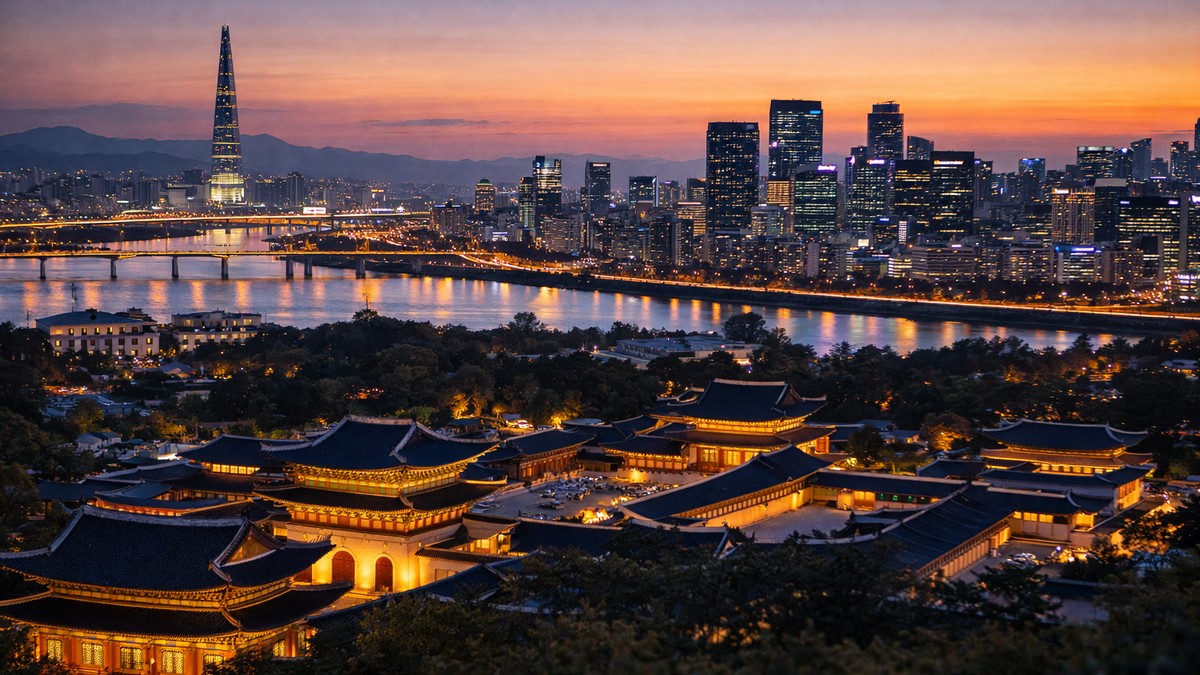
Why South Korea Is Rising Fast as a Travel Hotspot is not a trend story. It is a structural shift in global demand patterns.
Thesis: South Korea is rising because it delivers cultural intensity, logistical efficiency, and generational relevance in a single compact itinerary, making it commercially attractive for agencies that move early.
South Korea is no longer an extension to Japan. It is increasingly a standalone anchor.
According to the Korea Tourism Organization, international arrivals rebounded sharply post pandemic, surpassing 11 million visitors in 2023 estimate based on publicly released figures. Recovery momentum has continued into 2024 with strong regional and long haul growth.
The drivers are layered. Culture. Cuisine. Connectivity. Content.
The cultural engine driving demand
K culture and global influence
K pop, K drama, K beauty and Korean cinema are not niche exports. They are mainstream global forces. Netflix reported that Korean content accounted for a significant share of its non English viewing hours in recent years estimate.
When cultural export leads tourism, conversion rates increase.
A London based agency introduced a seven night Seoul focused program aimed at travelers under 35 who were influenced by Korean media. Within six months, South Korea moved from zero bookings to representing 14 percent of their Asia portfolio. Average client age dropped by eight years.
Cultural momentum lowers the educational barrier in the sales process. Clients already know what they want to see.
Food as a gateway
South Korea’s culinary scene has expanded globally. Michelin Guide Seoul now lists dozens of recognized restaurants across categories estimate.
Street food markets such as Gwangjang and modern tasting counters coexist in walkable districts.
One US based advisor packaged a culinary focused Seoul and Busan itinerary at a price point 18 percent higher than their standard Northeast Asia offering. Clients cited food experiences as the primary decision driver.
Food creates margin space because premium reservations feel experiential rather than transactional.
Infrastructure that supports growth
Transport efficiency
Incheon International Airport consistently ranks among the top global airports for service quality according to Skytrax awards.
High speed rail connects Seoul and Busan in roughly 2.5 hours. Urban subway systems are extensive, bilingual and intuitive.
For agencies, this means lower guide dependency and fewer complex transfers.
South Korea’s compact geography allows a balanced ten day itinerary without domestic flight overload.
Safety and accessibility
South Korea ranks high on global safety indices estimate based on OECD and Numbeo data trends.
English signage in tourist areas is increasingly standard. Contactless payments are ubiquitous. High speed internet penetration exceeds 95 percent estimate.
Operational friction is low. That reduces on trip problem solving costs.
The balanced itinerary advantage
South Korea offers urban depth, coastal leisure and island landscapes within a manageable radius.
Seoul
Seoul blends royal palaces, tech districts, and nightlife density in a single metro system.
Bukchon Hanok Village sits minutes from Gyeongbokgung Palace. Gangnam is accessible by subway. The Han River creates outdoor leisure space in the center of a city of nearly 10 million residents.
Busan
Busan provides coastline contrast. Haeundae Beach, Gamcheon Culture Village, and seafood markets offer a different pace.
Hotel rates in Busan are typically 20 to 30 percent lower than comparable Tokyo coastal properties estimate. That creates room for premium room categories.
Jeju
Jeju Island introduces nature. Volcanic landscapes, waterfalls and hiking routes add depth.
A European agency added Jeju as a three night extension to Seoul and Busan programs. Total package value increased by 22 percent while itinerary complexity increased marginally.
Here is a simplified comparative framework agencies can use.
| Factor | South Korea | Japan | Thailand |
|---|---|---|---|
| Cultural trend momentum | Very high due to global media influence | Established strong brand | Strong leisure positioning |
| Itinerary density | High within short distances | High but more spread regionally | Often requires flights between regions |
| Transport ease | Extensive rail and metro | Excellent rail network | Mixed outside major hubs |
| Cost relative to experience | Competitive for premium urban stays | Higher in peak cities | Generally lower but different positioning |
| Youth market appeal | Rapidly expanding | Strong | Strong but leisure oriented |
South Korea is not cheaper than Thailand. It is not as historically dominant as Japan. Its advantage lies in cultural relevance and density.
Quick takeaways
• Cultural exports are converting directly into tourism demand
• Transport efficiency reduces operational friction
• Culinary positioning allows premium pricing
• Seoul Busan Jeju create a balanced ten day arc
• Early movers can capture younger demographics
What this means for travel agencies
First, treat South Korea as a lead destination not a secondary add on.
Second, segment marketing by interest vertical. K culture tours. Culinary journeys. Wellness and beauty focused itineraries.
Third, leverage hotel price monitoring tools in Seoul. Rate volatility is increasing as demand rises. In one anonymized case, post booking monitoring identified a 9 percent drop across three urban properties within two weeks of confirmation, protecting both client value and agency margin.
Fourth, build shoulder season programs. Spring cherry blossom and autumn foliage create visual hooks comparable to Japan but with lower saturation.
Finally, partner with local DMCs that understand district level clustering. Seoul geography rewards precision.
Common mistakes
• Selling South Korea as Japan lite
• Compressing Seoul into two nights
• Ignoring Busan and Jeju for first time visitors
• Underpricing premium culinary experiences
• Failing to monitor rate fluctuations in high demand periods
Conclusion
Why South Korea Is Rising Fast as a Travel Hotspot is not driven by novelty. It is driven by relevance.
Culture fuels interest. Infrastructure supports scale. Geography enables balanced itineraries.
For agencies willing to position it correctly, South Korea offers growth, margin opportunity, and access to a younger traveler demographic that is shaping the next decade of outbound travel.
The window to move early is still open.